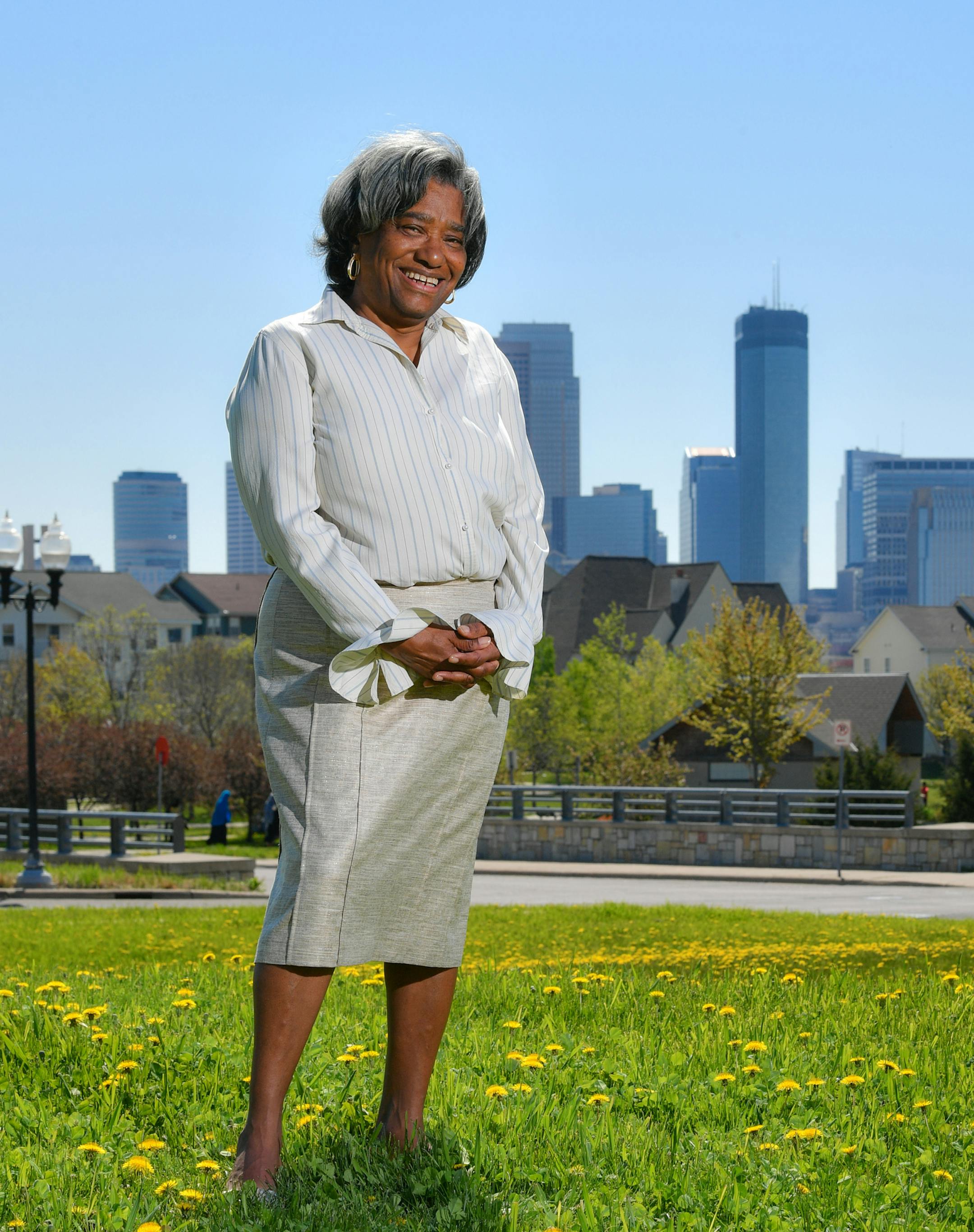
Paris Yarbrough looks around St. Paul's East Side and sees signs of gentrification that leave her uneasy. Buzzy restaurants and breweries are transforming the neighborhood where she grew up and has now returned to, but also signaling that it may not be affordable for long.
"I want the development to happen, but I want it to happen in a way that's not at the expense of the culture and richness of St. Paul," Yarbrough, a law school student, said.
Minneapolis resident Maygen Keller, who works at a cafe on 34th Avenue S., has another worry: persistent racial inequality.
"Things need to shift in order for everyone to feel like it is their city," Keller said.
Such is voter sentiment on both sides of the Mississippi River as Minneapolis and St. Paul charge toward mayoral elections with great consequences.
Even with months of campaign left before ballots are cast in November, both races are already stoked with intensity, and the top issues are similar, divisive and complex.
Should the cities have a $15 minimum wage, and if so, how soon, and for whom, exactly? How can each city provide economic opportunity to people of all races and ethnicities, and repair the damaged relationship between police and people of color? Has housing become too costly, and what's the way forward on economic development?
Each race is also shadowed by what many voters call an infuriating new question: How do cities where so few backed Donald Trump's presidential campaign now respond to threats real and perceived coming from his White House and Republican allies in Congress?