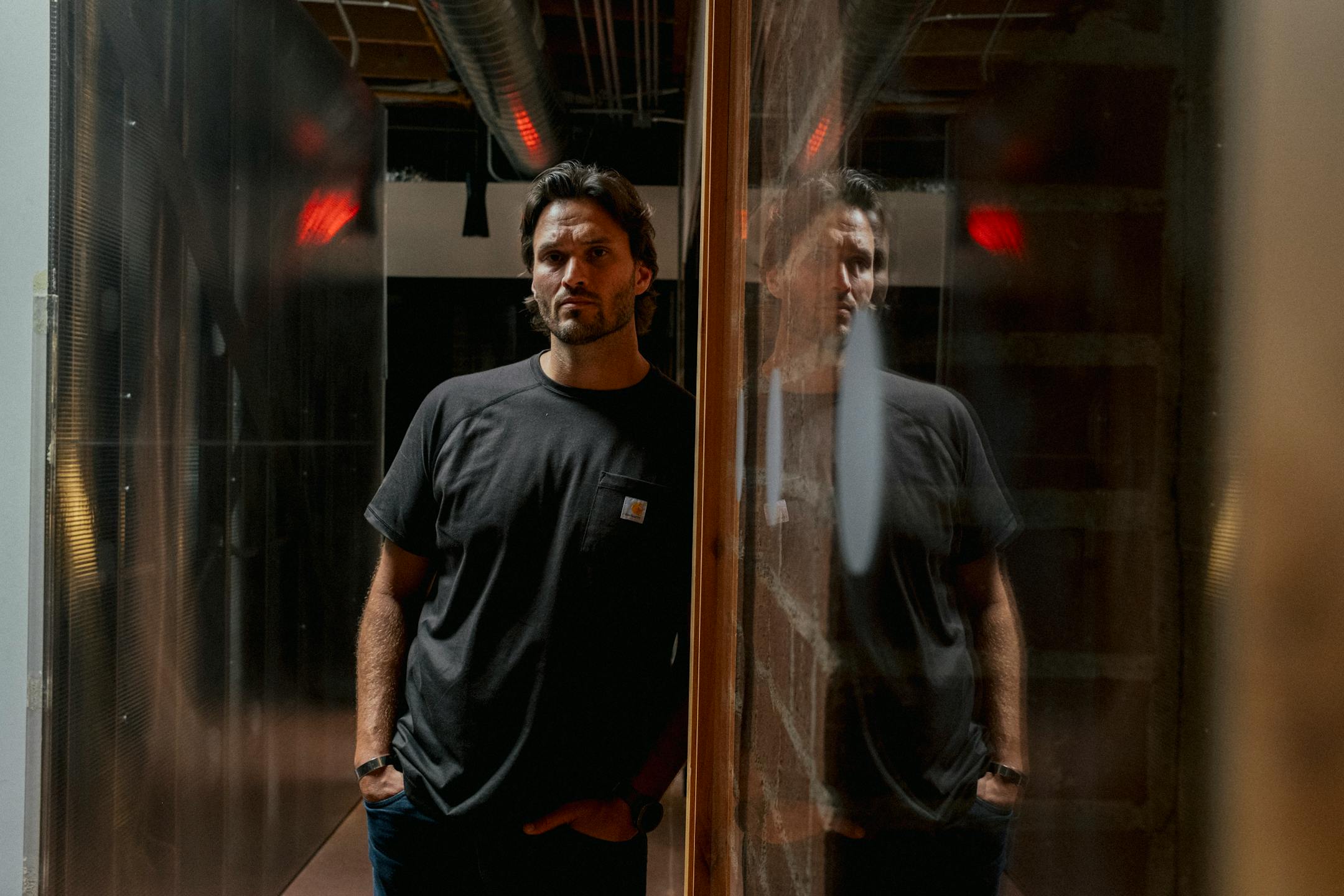
On Javier Mackey's second deployment to Afghanistan, one of his friends was shot in an ambush and bled to death in his arms. He saw high-ranking Afghan officers selling off equipment for personal gain and Afghan troops running away during firefights. And he started wondering what the United States could really achieve by sending thousands of troops to a distant land that seemed to have never known peace. That was in 2008.
Mackey, an Army Special Forces soldier, deployed there five more times, was shot twice, and, he said, grew more cynical on each trip, until he decided the only sensible thing for the U.S. to do was cut its losses and leave.
Even so, seeing the swift and chaotic collapse of the Afghan government in recent days hit him with the intensity of a bomb blast.
"It's pain — pain I thought I had gotten used to," said Mackey, who retired as a sergeant first class in 2018 and now lives in Florida. "I sacrificed a lot, I saw death every year. And the guys I served with, we knew it would probably come to an end like this. But to see it end in chaos, it makes us angry. After everything we gave, I just wish there had been a way to leave with honor."
In the 20 years that the U.S. military was in Afghanistan, more than 775,000 U.S. troops deployed there, to citylike air bases and sandbag outposts on lonely mountaintops. As the Taliban swept into Kabul on Sunday, wiping away any gains made, veterans said in interviews that they watched with a roiling mix of sadness, rage and relief. Some were thankful that America's involvement in the country seemed to have ended, but were also dismayed that hard-won progress was squandered. Others were fearful for Afghan friends left behind.
In interviews, text messages and on Facebook, men and women who collectively spent decades in Afghanistan said they were angry that despite a drawdown that has spanned years, the United States could not manage to exit the country with more dignity.
The anguish can be especially raw because veterans often worked side by side with Afghans during the years of attempts at nation-building, and now in that nation's collapse they see the individual faces of friends who have been enveloped by the anarchy.
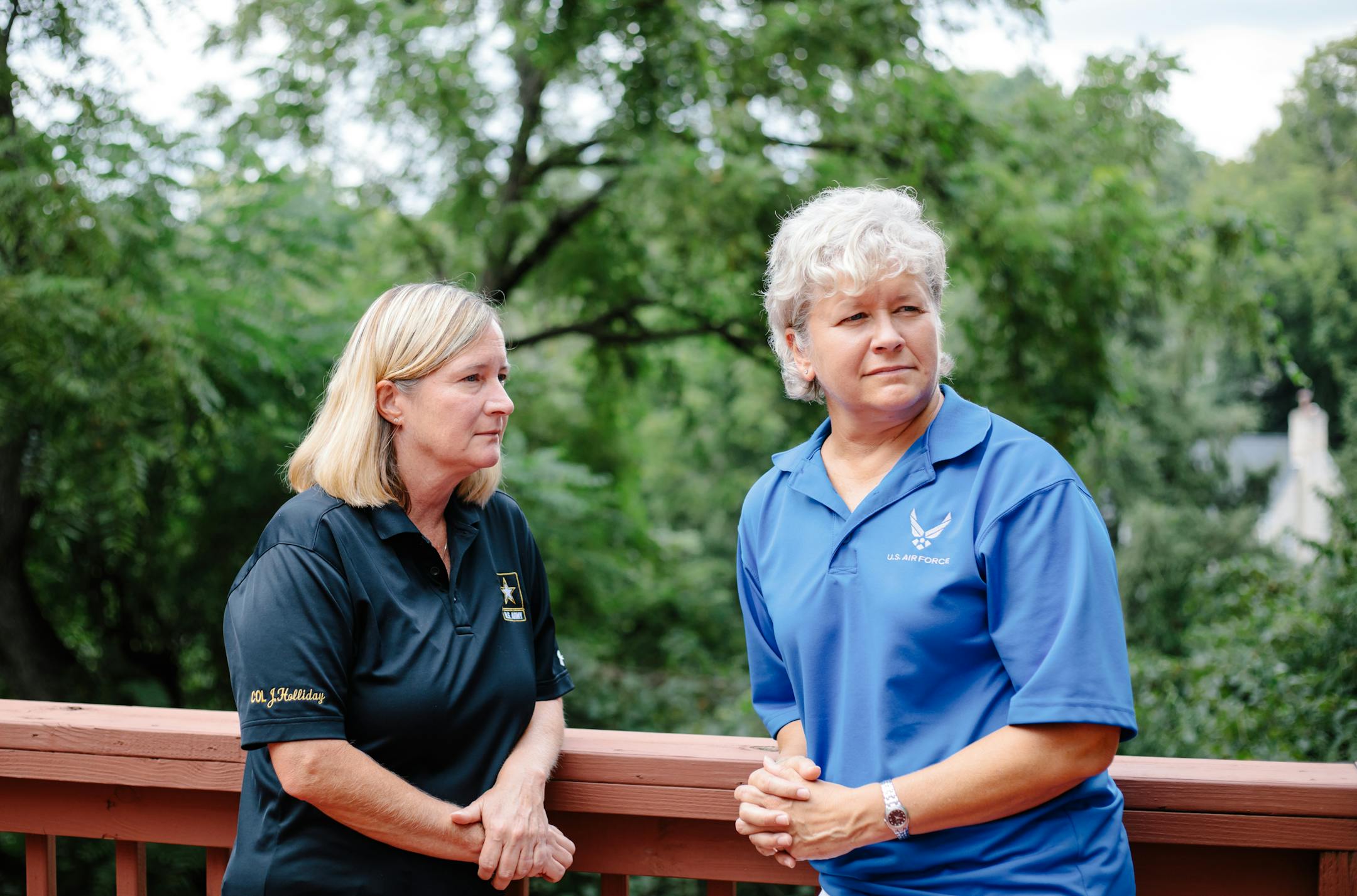
"My heart breaks for the Afghan people," said Ginger Wallace, a retired Air Force colonel who in 2012 oversaw a program that retrained low-level Taliban fighters to clear land mines and work in other jobs that offered an alternative to combat.