

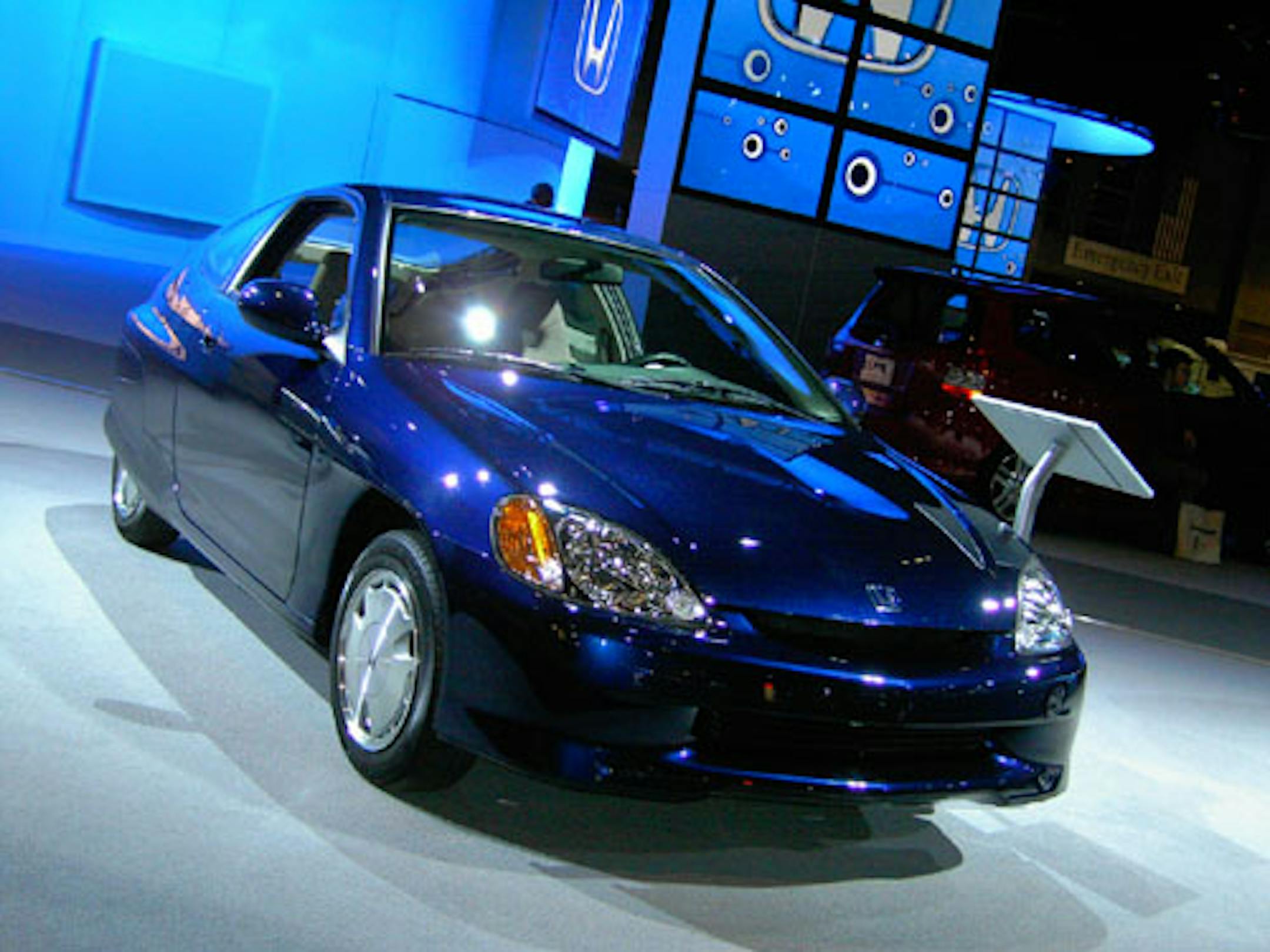
In 1999, the Toyota Prius was introduced to American consumers as one of the first mass-produced cars in North America with a gas-electric drivetrain. While it quickly attracted buyers for its "green-conscious" approach, the hybrid bandwagon was far from full.
What a difference a decade - and $3-plus per gallon gas - can make.
According to CNW Marketing Research, hybrid cars represented the second fastest growth segment in the U.S. auto market last year, trailing only so-called "budget cars" like the Chevrolet Aveo, Honda Fit and Toyota Yaris. In 2007, hybrid sales rose more than 34 percent, totaling nearly 339,000 vehicles. That's a far cry from the 9,300 hybrids sold in 1999. This steady increase in market demand means that nearly 900,000 hybrid cars are now in the domestic marketplace.
For consumers who appreciate the virtues of a hybrid - but don't want to pay the new sticker price - that growing supply of pre-owned vehicles means careful shopping can deliver solid value. According to Edmunds.com, an online resource for automotive consumer information, a 2003 Honda Civic hybrid sedan that cost $20,000 new can now be purchased for an average retail price of $12,157. The non-hybrid Civic was about $17,000 new and current retail is just over $10,000.
"Right now (used hybrid) prices remain high because supply in the used market is a bit tight," said Joe Spina, senior remarketing manager for Edmunds.com.
In many respects, shopping for a used hybrid is no different from looking for a conventionally powered car. That means researching prices and features on comparable models, running CarFax reports to verify data provided by sellers, and getting a vehicle inspection by a qualified third-party. On the latter point, experts suggest that prospective buyers take an especially close look at a hybrid's battery system, since replacement costs range from $2,000 to $5,000.
"Clearly, repair costs for hybrid items like these are more expensive if they occur out of warranty," says Spina. "On the other hand, we haven't seen data to suggest that the total cost of ownership for used hybrids is significantly higher than their (non-hybrid) counterparts."
That cost of ownership, however, may be skewed by long-term warranties. Virtually all hybrid-specific components, including batteries, are covered under manufacturer warranties of at least eight years/80,000 miles - a term just expiring for the first generation of hybrid cars. In addition to the high out-of-pocket cost for hybrid-specific components, repair fees are also complicated by a shortage of qualified technicians outside of dealer-operated shops. For those reasons, 44 percent of consumers responding to a recent Edmunds.com survey said they were "extremely concerned" that a hybrid car would be expensive to repair.

