

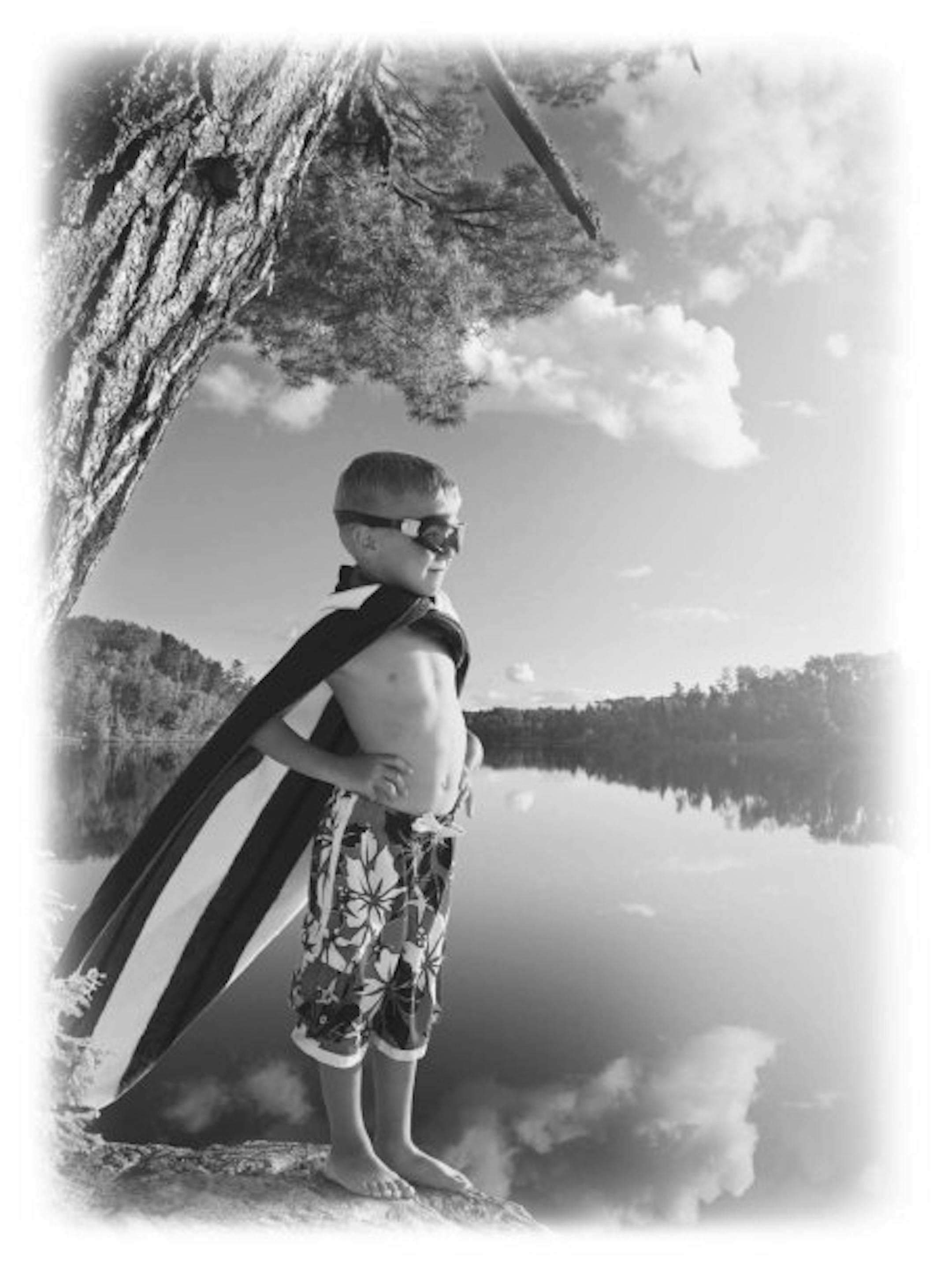
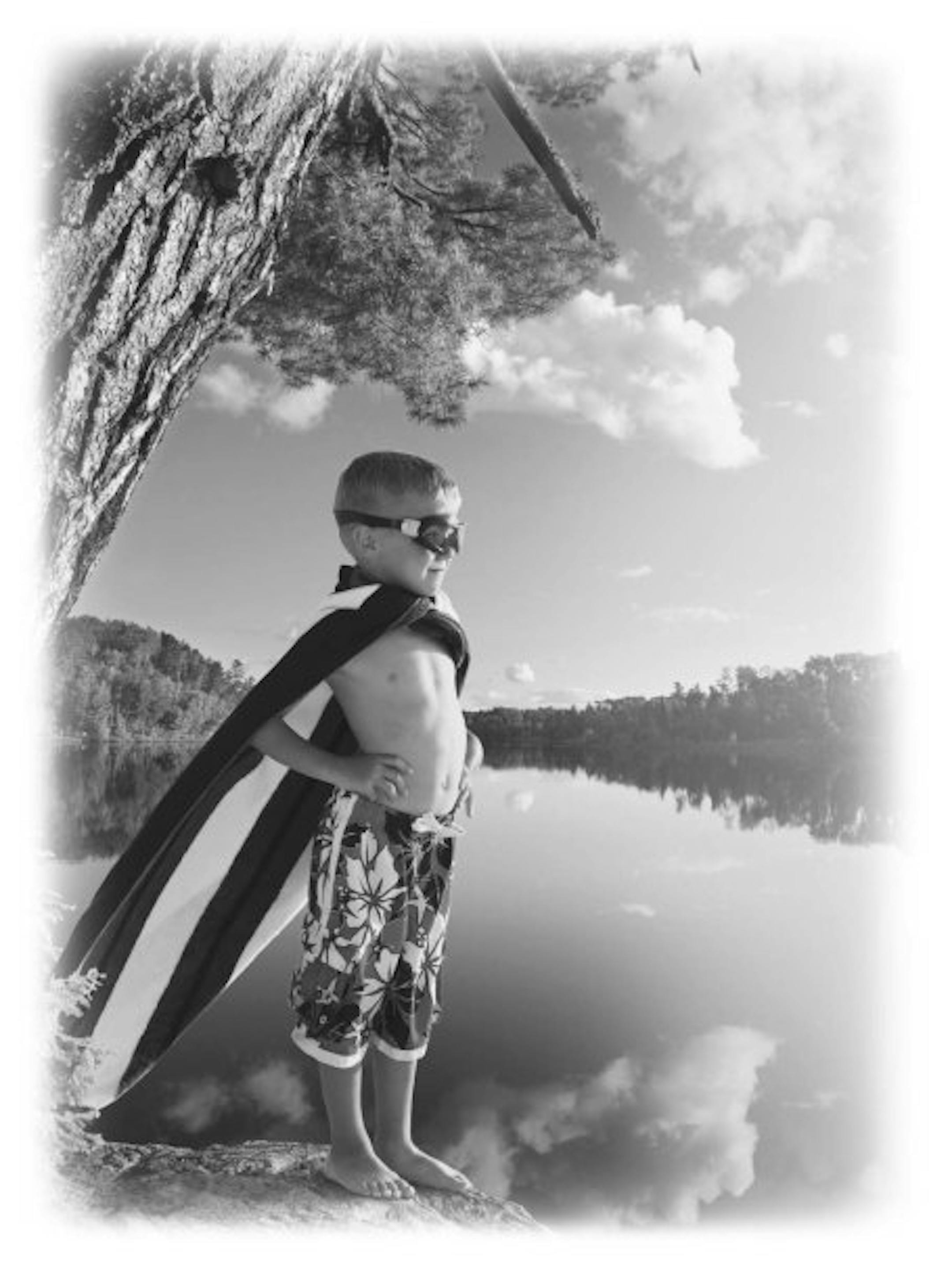
I was flying into MSP from New York on a clear day last week. I fly this route often. Even so, I was awestruck by the amount of water dotting the lush green prairie and farms – thousands of lakes, rivers, steams and ponds. It is a little known fact that Minnesota has more shoreline than any other state in the lower 48. Think about it, that's more shoreline than Florida, Texas or California.
Even though, we drink it. We bathe in it. We cook with it. We swim in it. We are primarily made of it yet we take water for granted. From where we sit in a land of 10,000 lakes, it is hard to believe that two billion people are without enough clean water. By 2025 two out of every three people on the planet will live in water-stressed areas.
Here is how we can do our part to make sure that we don't taint or waste a precious drop of our H2O:
Find and Stop leaks
Read your water meter before and after a two-hour period when the water is not being used. If the meter doesn't read exactly the same, there is most likely a leak somewhere. A dripping faucet can waste as much as 2700 gallons a year down the drain!
Toilet tank leaks can be found by adding food coloring to the tank. If you do have a leak, the food coloring will appear in the bowl within 30 minutes. (Flush the toilet at 30 minutes so that the food coloring doesn't color the porcelain toilet bowl.)
Conscious primping
Take a five minute shower, instead of a bath and you will use a third of the water, saving as much as, 100 gallons each week. If your shower can fill a one gallon or 4 liter bucket in less than 20 seconds, it is time to replace your showerhead with an ultra low flow model.
Turning off the faucet while brushing your teeth saves nearly one gallon of water for the average tooth brusher.
Water saving cleaning
Don't use your washing machine until you've got a full load. The average wash uses about 24 gallons of water. One full load uses less water than two half loads.


