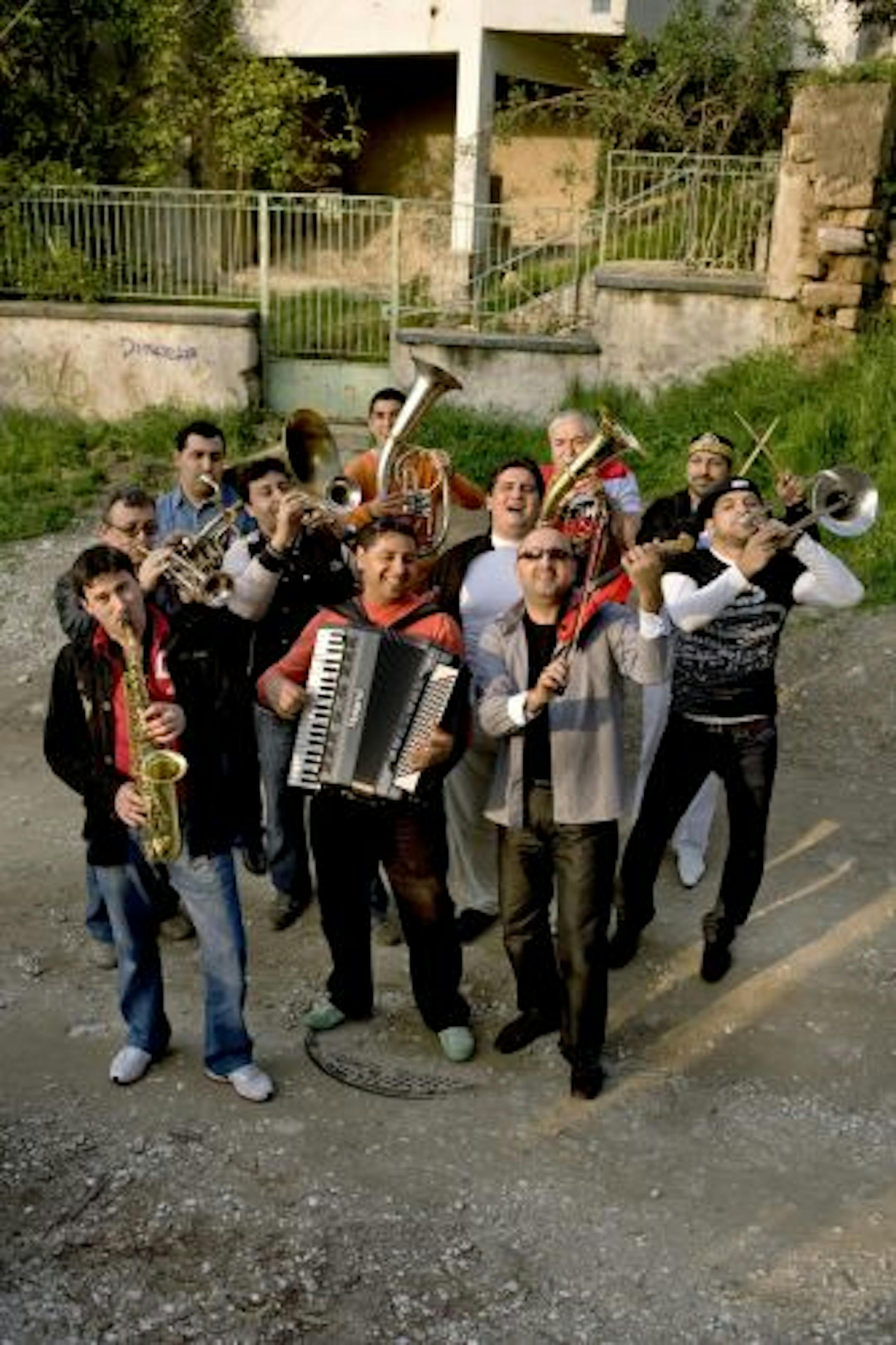
The Cedar Cultural Center prides itself on showcasing musicians from around the globe, but there is often an element of irony in the experience. Concertgoers must first pass through the East African culture of the Somalis and Ethiopians who live in the Cedar's West Bank neighborhood. Once inside the venue, however, the cultural "diversity" is less organic.
"For years, we have been very aware of where we are," said the Cedar's executive director, Rob Simonds. "Because our mission is to present music from other cultures, it has always been glaring that we have not been able to effectively reach out to our own back yard."
But now, thanks largely to funding from the Legacy Amendment that Minnesota voters approved in 2008, the Cedar is launching a "community access initiative" that begins with the Cedar's annual Global Roots Festival, running Tuesday through Friday.
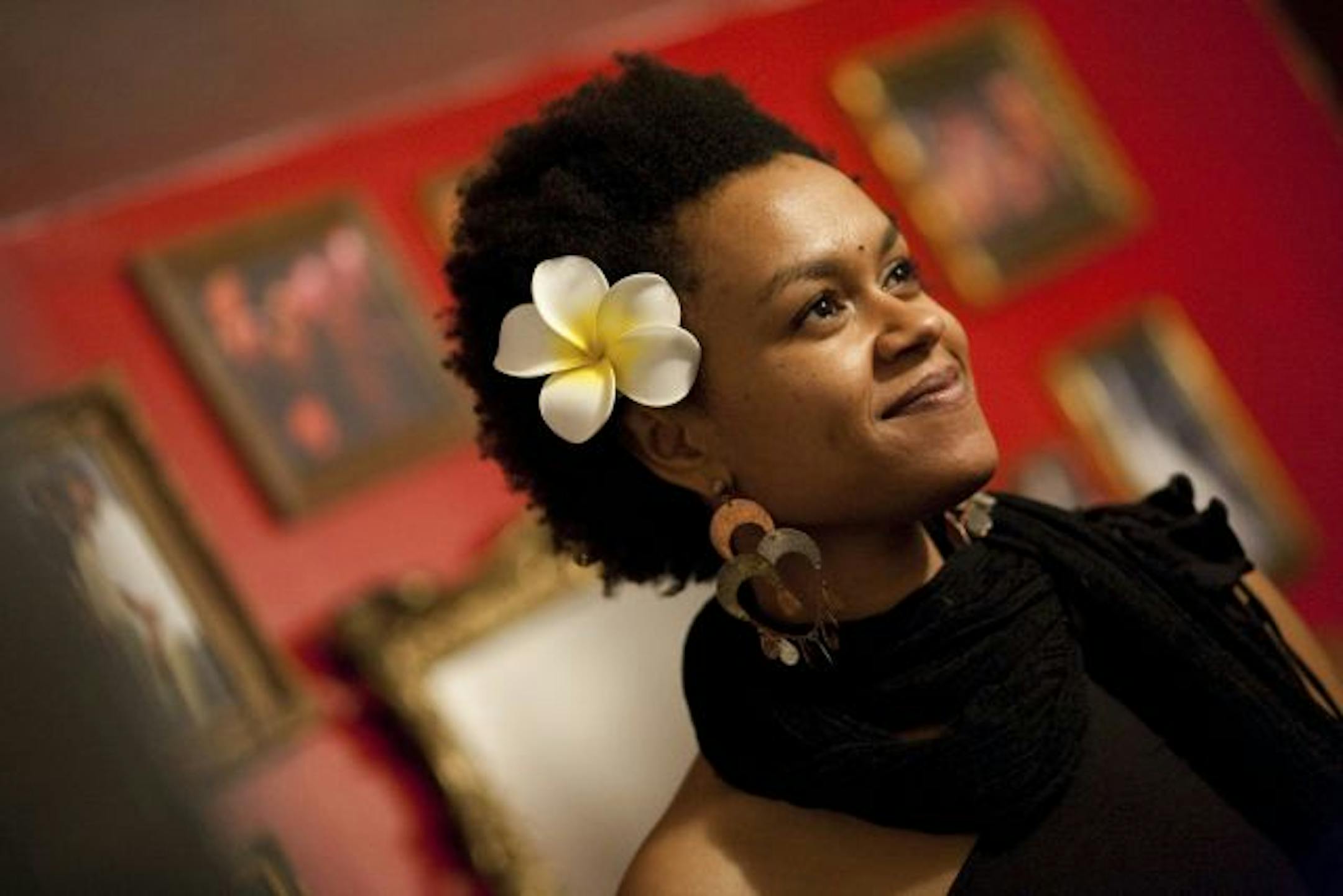
Simonds and his staff had already booked the first three days of the festival when Legacy money became available, creating what Simonds calls "a wonderful opportunity to make that fourth day specific to the East African community." Meklit Hadero, an Ethiopian-born singer/songwriter based in San Francisco, agreed to perform twice on Friday, including a daytime show, class and question-and-answer session with students from the Cedar-Riverside Community School, a K-8 program in one of the towers behind the club.
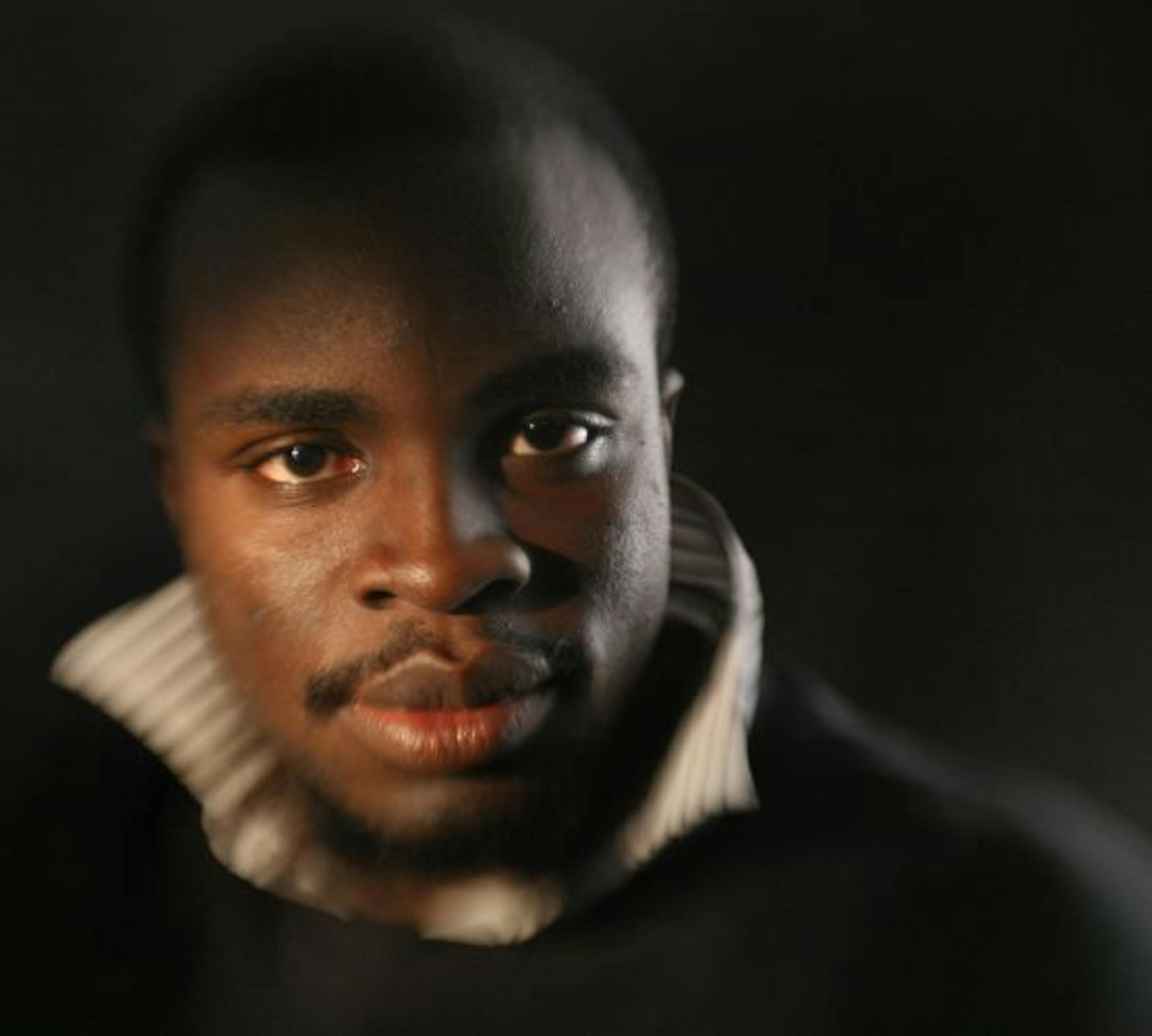
The Cedar will also use Legacy funds to distribute 300 free tickets for Hadero's nighttime performance to community residents. M.anifest, a local hip-hop artist born in Ghana, will be the opening act.
"I don't have any illusions that we'll be regularly filling the house with East Africans -- they have to get used to being comfortable here, and we have to figure out what kind of events they want and the best ways to reach out," Simonds cautioned.
That said, the Cedar probably couldn't have picked a better performer than Hadero to help bridge the cultural gap.
Singer/organizer