

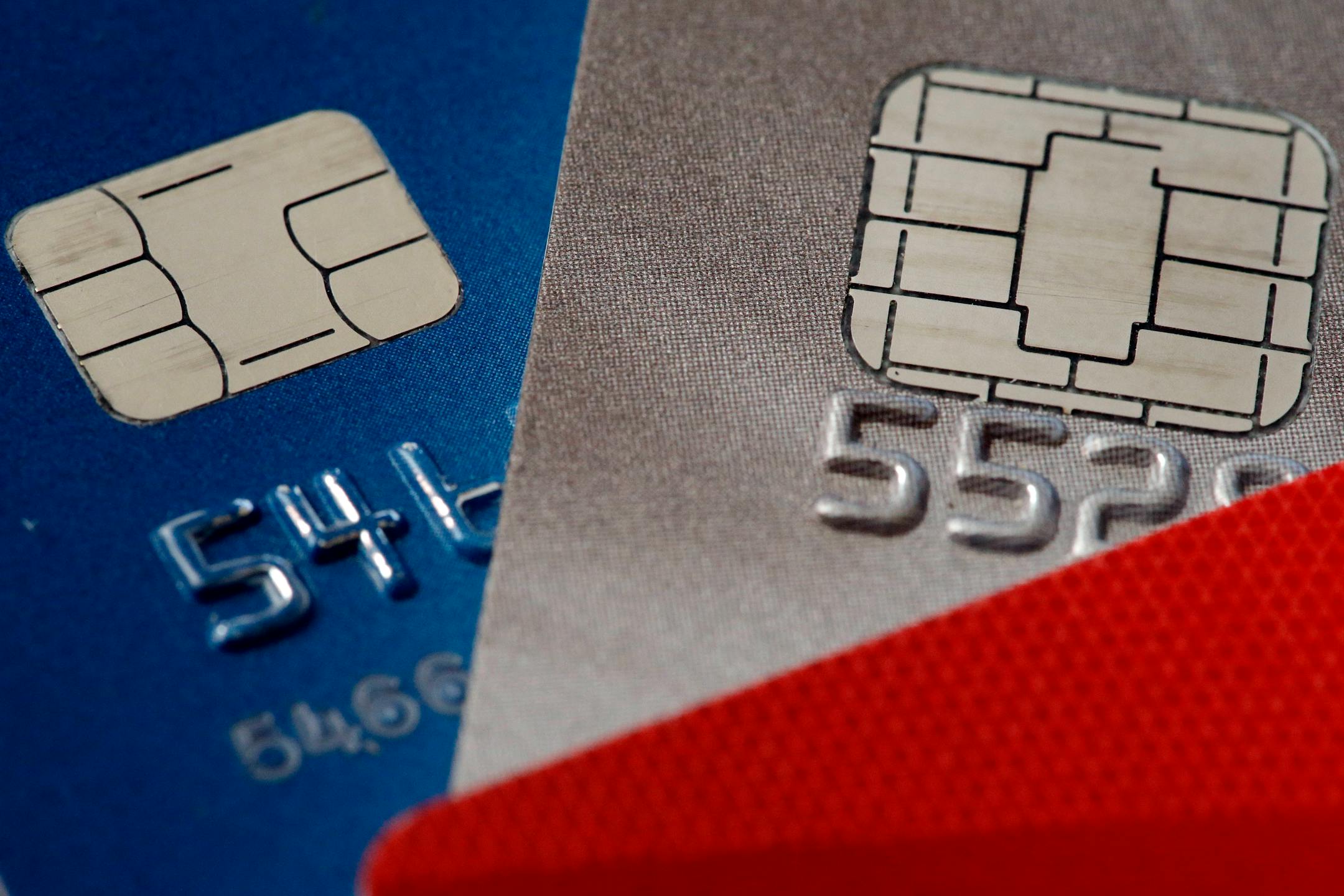
Getting your first credit card is like moving into your first apartment: It's exciting, and, once you get used to it, pretty underwhelming.
Your first time out, "you are not going to have a credit card that is going to have a high limit," said Paul Golden, spokesman for the National Endowment for Financial Education.
A starter credit card is just that — a start. Used responsibly, it's a way to build a positive credit history, which will help you with things like getting a better deal on a mortgage and it will help you qualify for a card with better terms down the road. Here's what you should look for.
Ease of approval. When you have a thin credit file and limited income, you are not likely to qualify for a card packed with benefits. Instead, aim for something more basic.
If you already have a credit history that shows consistent on-time payments — say, from repaying student loans — it is possible to qualify for a regular "unsecured" credit card that doesn't require a deposit. To increase your odds of approval, apply through the bank you already use or with a preapproved offer received in the mail. If you are in college, look into a student credit card.
Don't have a credit history yet? Consider applying for a secured card, one that requires a cash deposit. Or ask a parent to add you as an authorized user on a card with a history of on-time payments and a balance that's far below the limit.
No annual fees. Avoiding an annual fee on your first credit card allows you to keep the card open for a long time at no cost. That can bolster your credit scores if you continue to make on-time payments.
Useful rewards. When Zina Kumok applied for her first credit card at 22, she wanted a sign-up bonus — one that she could earn easily.



