
Advertisement

Opinion | With Roadless Rule at risk, it’s time to speak up for America’s natural heritage

A rule change threatens to allow roads in some of our region’s last intact wild lands.

September 6, 2025 at 1:00PM
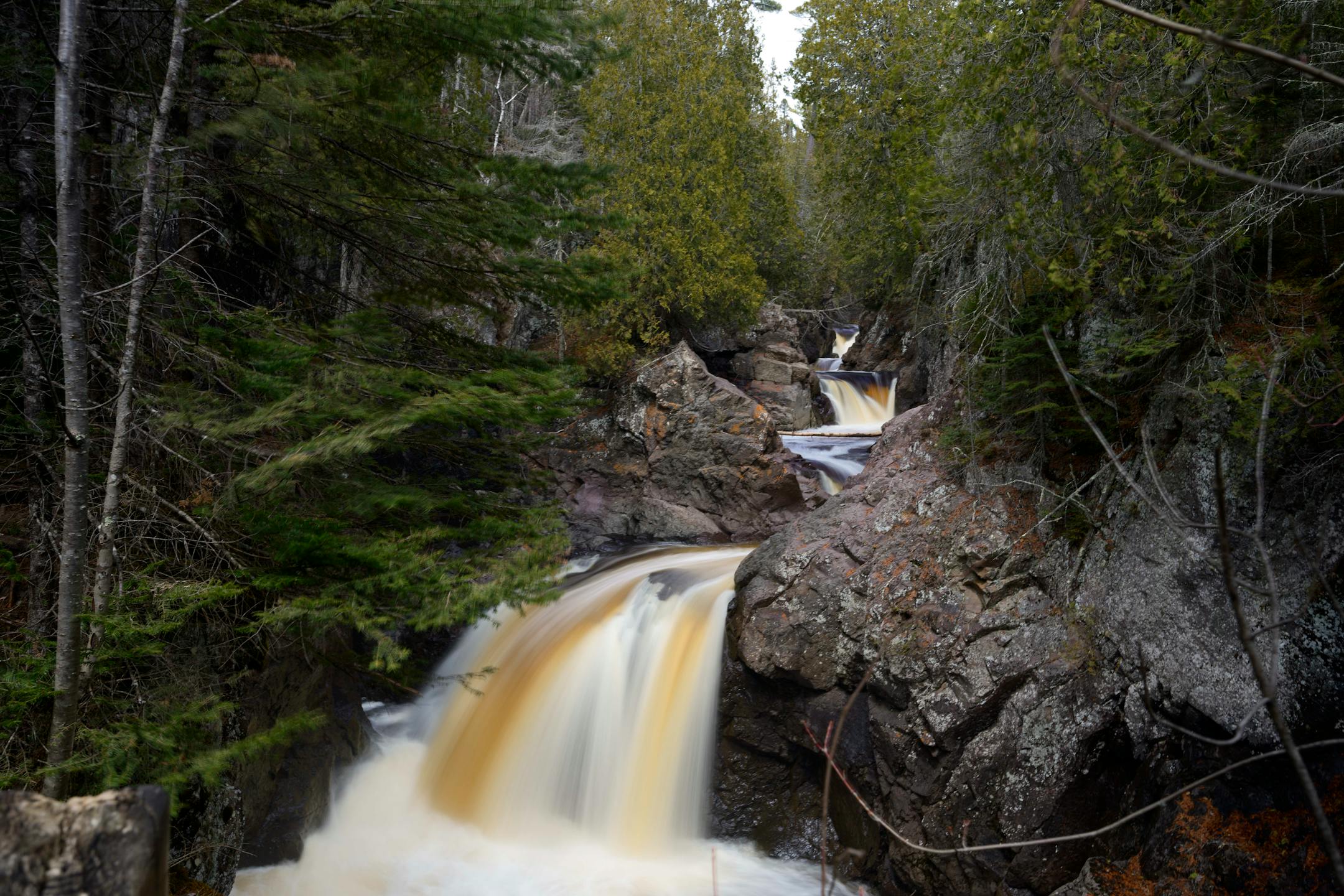
"For nearly 25 years, places such as the Cascade River [above] and its surrounding forest have been set aside to protect wildlife, filter our air and water, and preserve the recreational opportunities that Minnesotans love," the writers say. (AARON LAVINSKY/The Minnesota Star Tribune)
Advertisement

Opinion editor’s note: Strib Voices publishes a mix of guest commentaries online and in print each day. To contribute, click here.

•••

There are few landscapes more serene than the Cascade River in northern Minnesota. Loon calls ring out across the water as wind blows softly through towering spruce trees. To a visitor standing knee-deep in the cool water, the power of nature is as clear as it was hundreds of years ago.

For nearly 25 years, places such as the Cascade River and its surrounding forest have been set aside to protect wildlife, filter our air and water, and preserve the recreational opportunities that Minnesotans love.

These are the places in America where the silence is sacred — where wild land remains untouched, unscarred by roads or machines. The Roadless Area Conservation Rule has protected 58.5 million acres of national forest across 39 states from development and fragmentation.

Now, the U.S. Department of Agriculture is moving to roll back those protections.

In these areas — a portion of which border the Boundary Waters Canoe Area Wilderness — several endangered species, including the rusty patched bumblebee and northern long-eared bat, rely on pristine habitat. Without them, northern Minnesota’s fragile ecosystem will suffer. The bees are crucial pollinators for the entire Upper Midwest, while the bats keep the region’s insect population under control. Rolling back the Roadless Rule threatens these vital species’ very survival, and pushes a vision of an entirely different world: one filled with less nature.

Here in Minnesota, that means opening the door to roadbuilding in some of the last intact wild lands in the eastern United States — places where generations have hunted, fished, paddled and reconnected with something deeper than themselves.

Advertisement

The Roadless Rule was put in place so we can pass our natural resources from one generation to the next. But now that the USDA has filed its “Notice of Intent” to rescind the rule, only a public comment period separates 62,000 acres of our public lands from being handed to companies that will build new roads and exploit our wild forests for profit. If the plan goes through, America’s wild spaces will be set back for generations.

This rollback not only contradicts decades of public support — it threatens the soul of our backcountry. Through this rollback not only would we lose these wild places, but we would lose something more important: our American identity.

Every American counts this country’s public lands as a birthright. For more than 20 years, we’ve struck a balance between productivity and preservation: Some of our forests are already available for commercial logging. But the areas we designated as roadless nearly a quarter-century ago — from the backcountry forests we look to for adventure to the lakes, rivers and streams that provide fun weekend activities with our families — are our responsibility to maintain.

We don’t need more roads. We need more restraint. Our wild places are not a resource to be used up, but a legacy to be passed down. Wilderness doesn’t need more improvement. Wilderness simply needs more defenders.

The Minnesota chapter of Backcountry Hunters & Anglers and Environment Minnesota urge leaders and citizens alike: Protect what remains. Leave the roadless places roadless. As Minnesotans, we must stand up and make our voices heard by submitting public comments between now and Sept. 19. While we do our part, our state leadership, including Gov. Tim Walz, must do the same and stand up to the USDA and act to prevent the rescission of the Roadless Rule.

At this crossroads for America’s natural beauty, we face a choice that will define our nation’s landscape for generations to come. We cannot let the Department of Agriculture sell our memories — of shining stars, prize catches and the dirt beneath our feet — to the highest bidder.

Advertisement

Katelynn Rolfes is the conservation advocate for Environment Minnesota. Chance Adams is the chair for Minnesota Backcountry Hunters and Anglers.

about the writer

about the writer

Katelynn Rolfes and Chance Adams

More from Commentaries

See More
card image
Glen Stubbe/The Minnesota Star Tribune

Laws can be changed by future legislatures or courts. A state constitutional amendment would ensure that rights will last.

card image
card image
Advertisement