

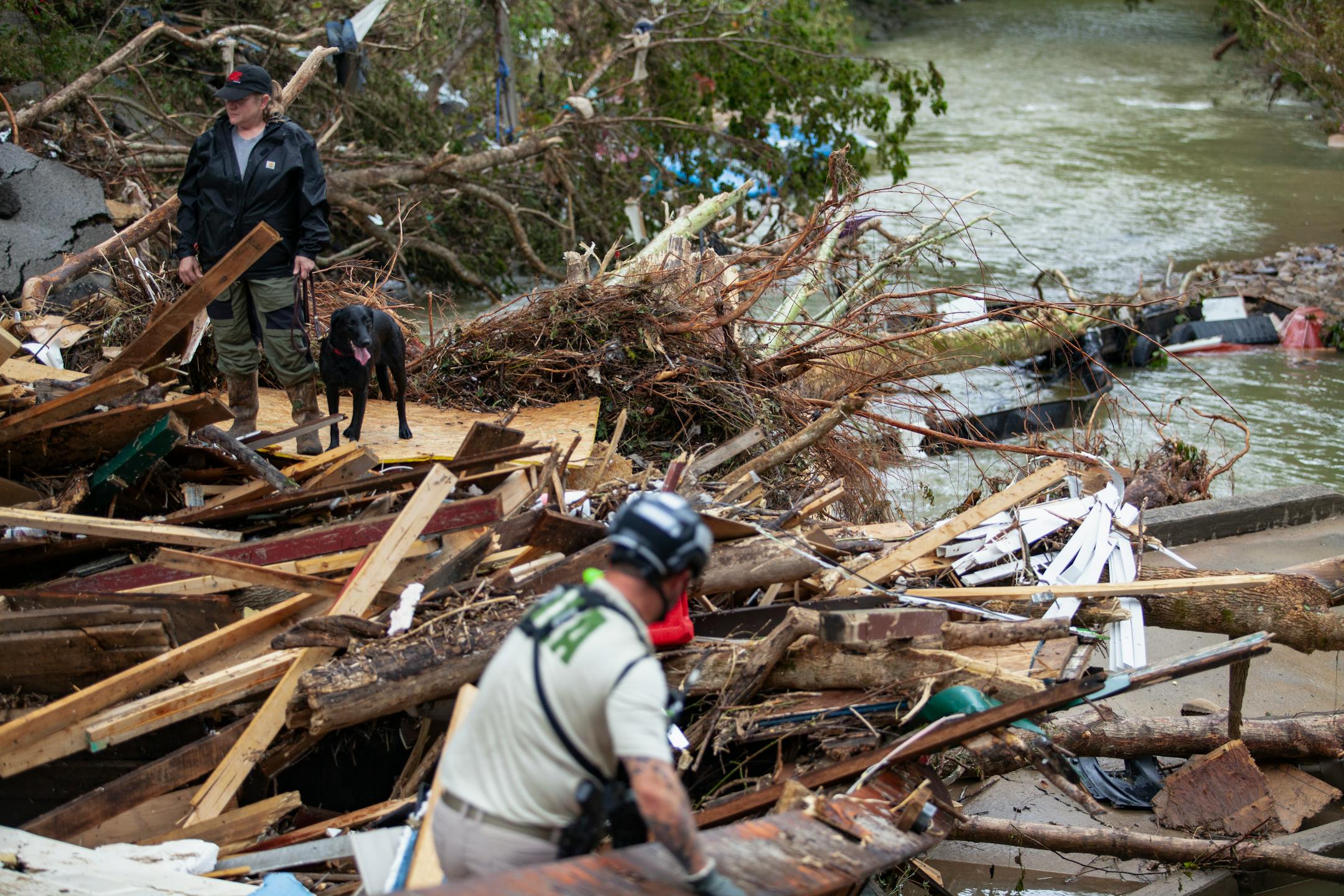
Global climate change is threatening our health and safety. The lethal flooding in Kentucky. Wildfires out West. The fierce winds and tornadoes that swept several Southern states earlier this year.
Swiss Re, the global reinsurance behemoth, calculates total economic losses caused by natural disasters reached an estimated $72 billion in the first half of 2022. (Reinsurance companies act as an insurer for insurance companies.)
"Climate change is one of the biggest risks our society and the global economy is facing," says Jérôme Jean Haegeli, Swiss Re's Group Chief Economist. "With 75 percent of all natural catastrophes still uninsured, we see large protection gaps globally exacerbated by today's cost-of-living crisis."
The extra costs and added health and safety risks associated with climate change should be factored into retirement planning.
Natural disasters are traumatic and older adults are at risk. Routine tasks like picking up medicines are suddenly impossible. You might be evacuated from your home and spend several nights in a shelter. The disruption is particularly worrisome for older adults with chronic conditions or cognitive disabilities.
The financial costs of dealing with damage and repair to the home can be considerable.
"While home preparation and repairs are weather-related costs wherever people live, climate change may increase these costs and be a critical factor in financial planning," writes Joseph Coughlin, founder and director of the MIT AgeLab in "Factoring the Costs of Climate Change Resilience Into Retirement Planning."
"Extreme weather affects everyone. Older adults, however, are more likely to be vulnerable due to health conditions and their retirement location decisions," he adds.


