

The consultants at Accretive Health readily admitted that a "typical hospital" doesn't do financial counseling in the emergency room.
But, they boasted, they had found a way to get 15 percent of ER patients to pay upfront. They called it the "Accretive Secret Sauce."
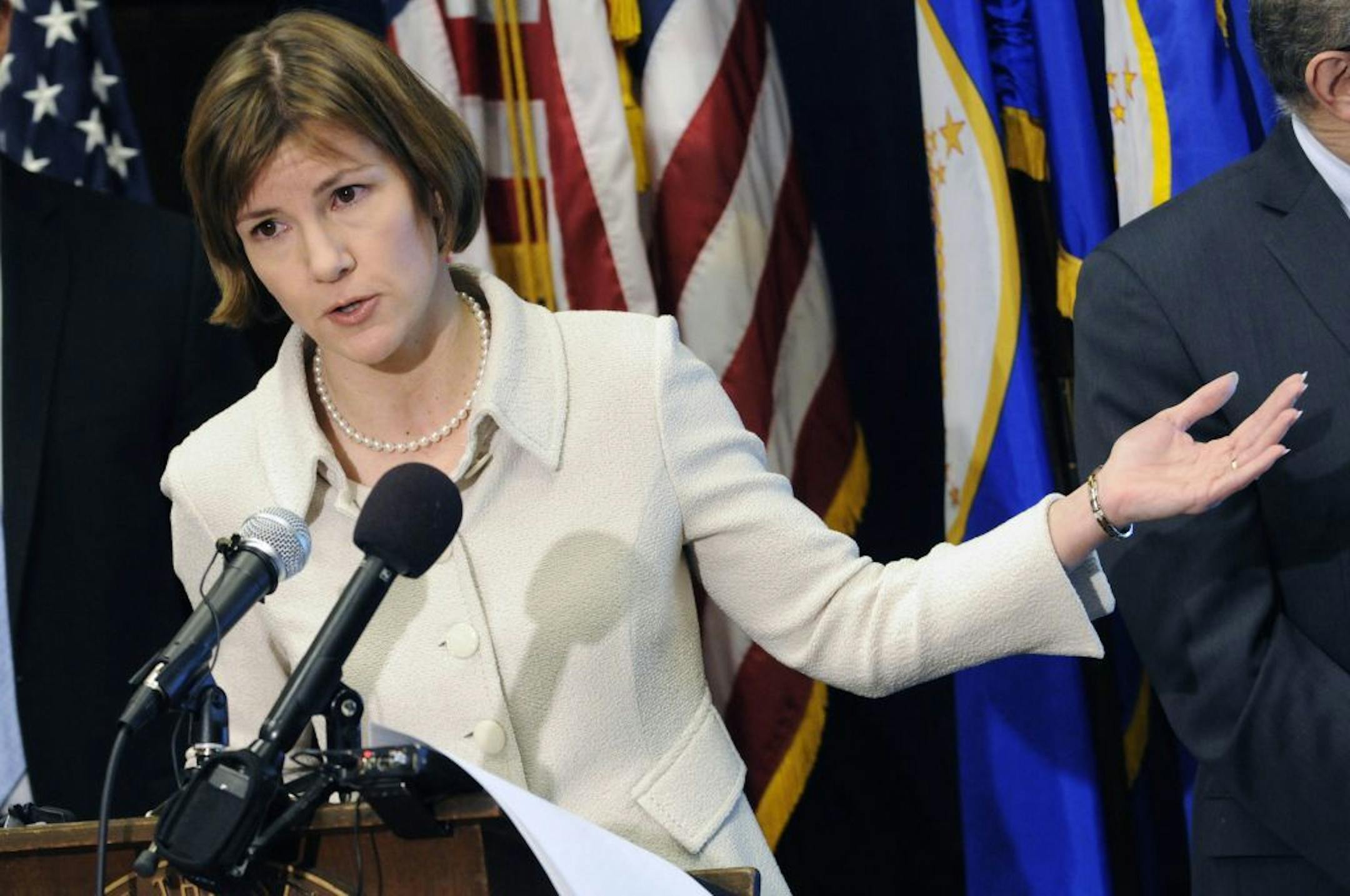
Accretive's secret was roundly attacked in a report this week by Minnesota Attorney General Lori Swanson. But in Minnesota hospitals, it's no longer unusual to approach patients in advance about paying their bills, according to hospital executives.
The difficult question is where to draw the line.
"It's very sensitive," admits Lawrence Massa, president of the Minnesota Hospital Association. "I think the standard is changing -- and that's not something that the public in America is used to."
Swanson's report on Accretive's tactics, released Tuesday, is shining a spotlight on how far hospitals are willing to go to collect the patient's share of the bill in tight economic times.
Massa said hospitals are being more assertive about calling patients in advance to talk about money -- including co-pays and deductibles. But emergency rooms, he said, are a different story. "Pressuring people when they're at a moment of distress is probably not a good idea. The care needs of the patient need to be taken care of first."
Swanson accused Accretive, an Illinois consulting firm hired by Fairview, of using aggressive collection tactics in many settings, from cancer wards to labor and delivery rooms. In some cases, according to her report, ER staff members made patients wait while they conducted "financial consultations" about payments -- an apparent violation of federal law.


