Cold Winds Continue
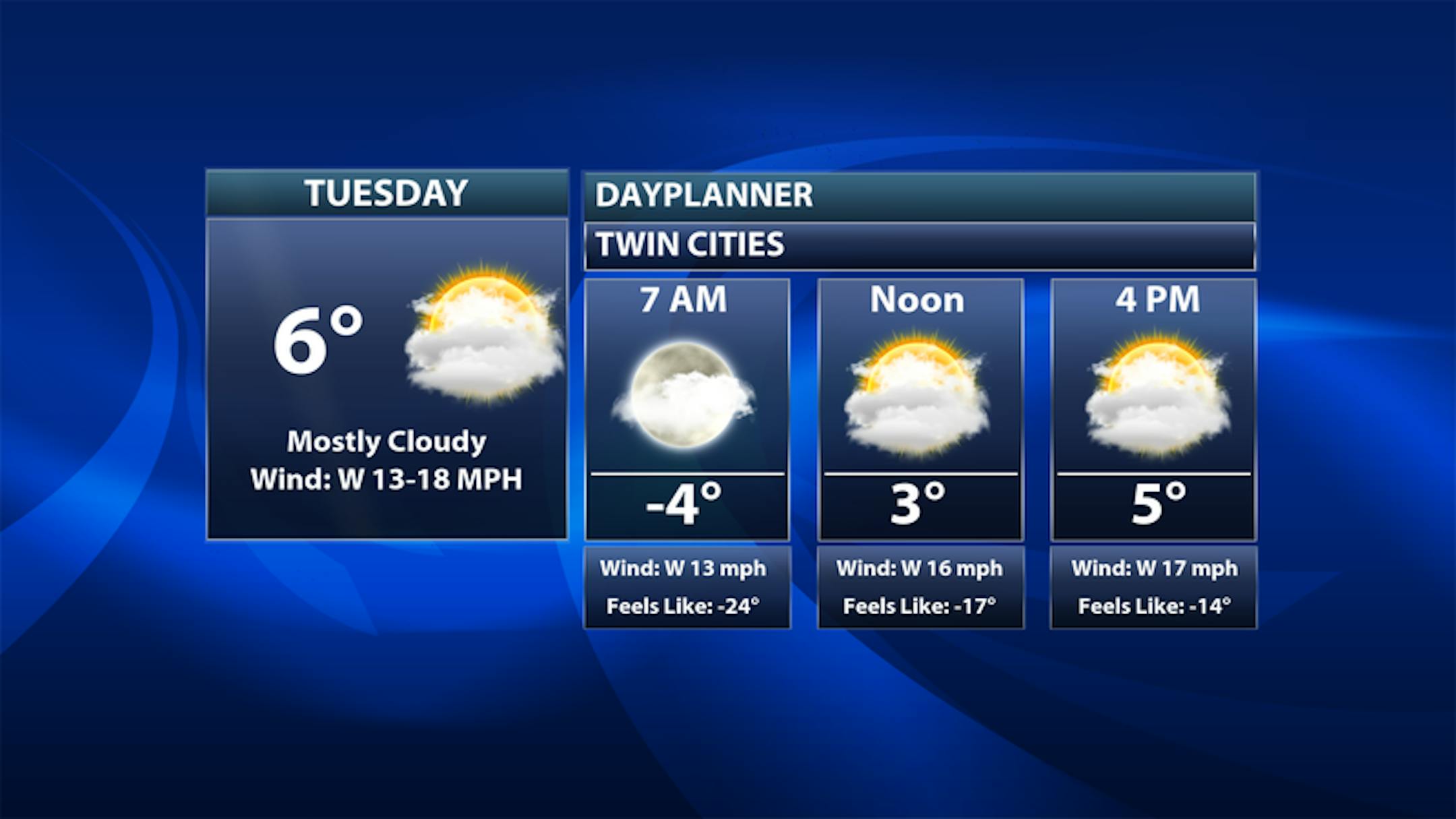
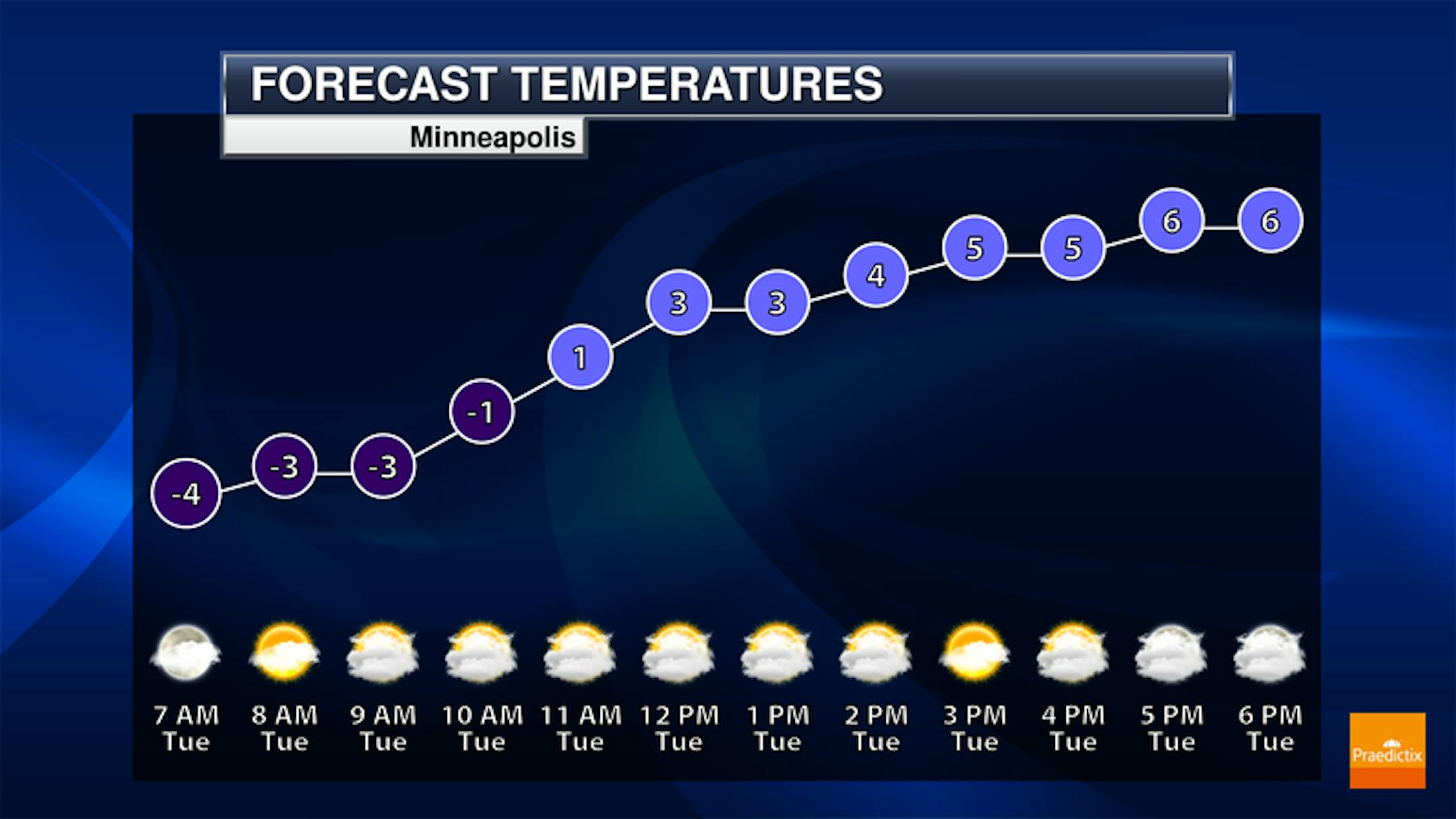
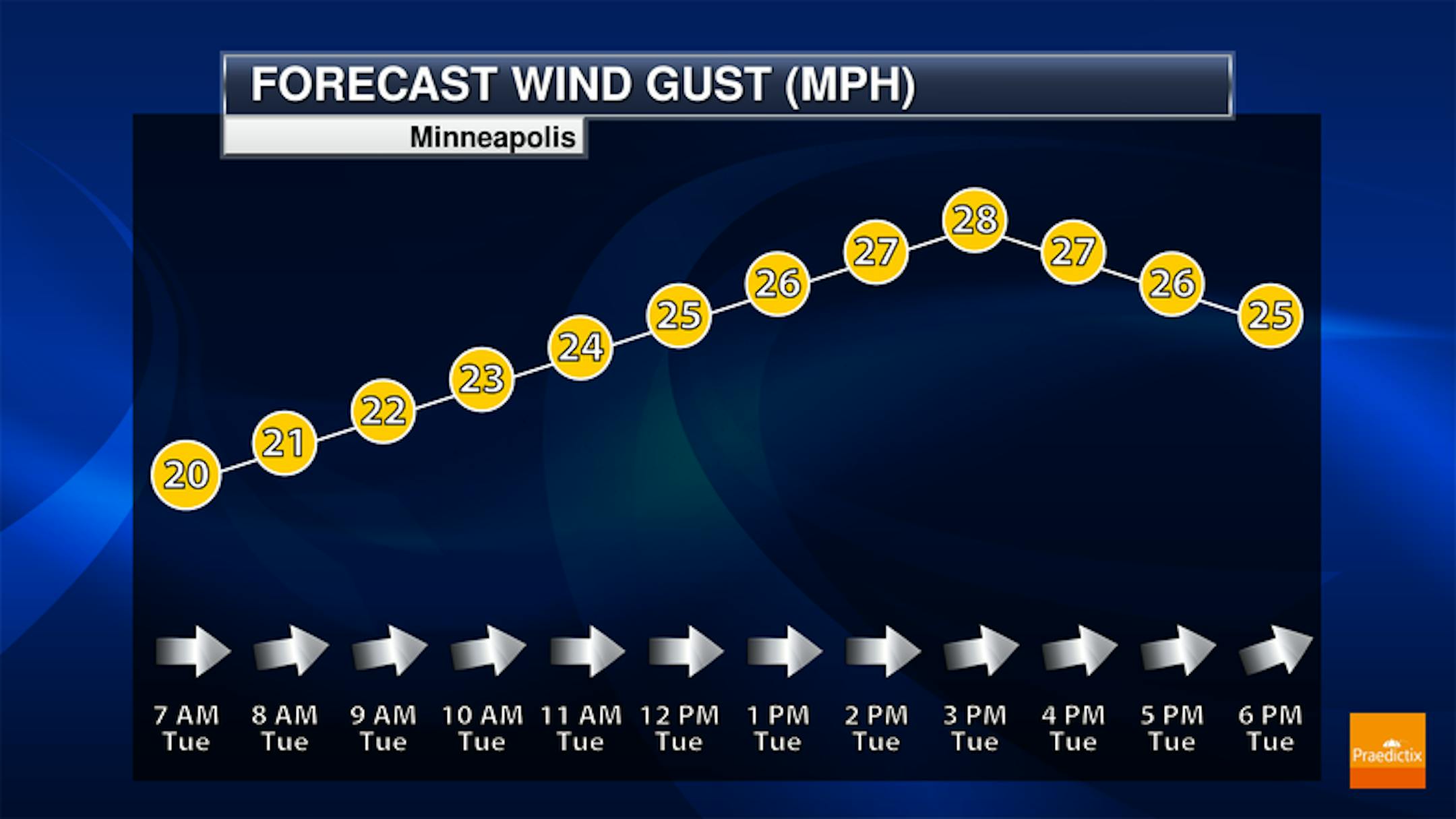
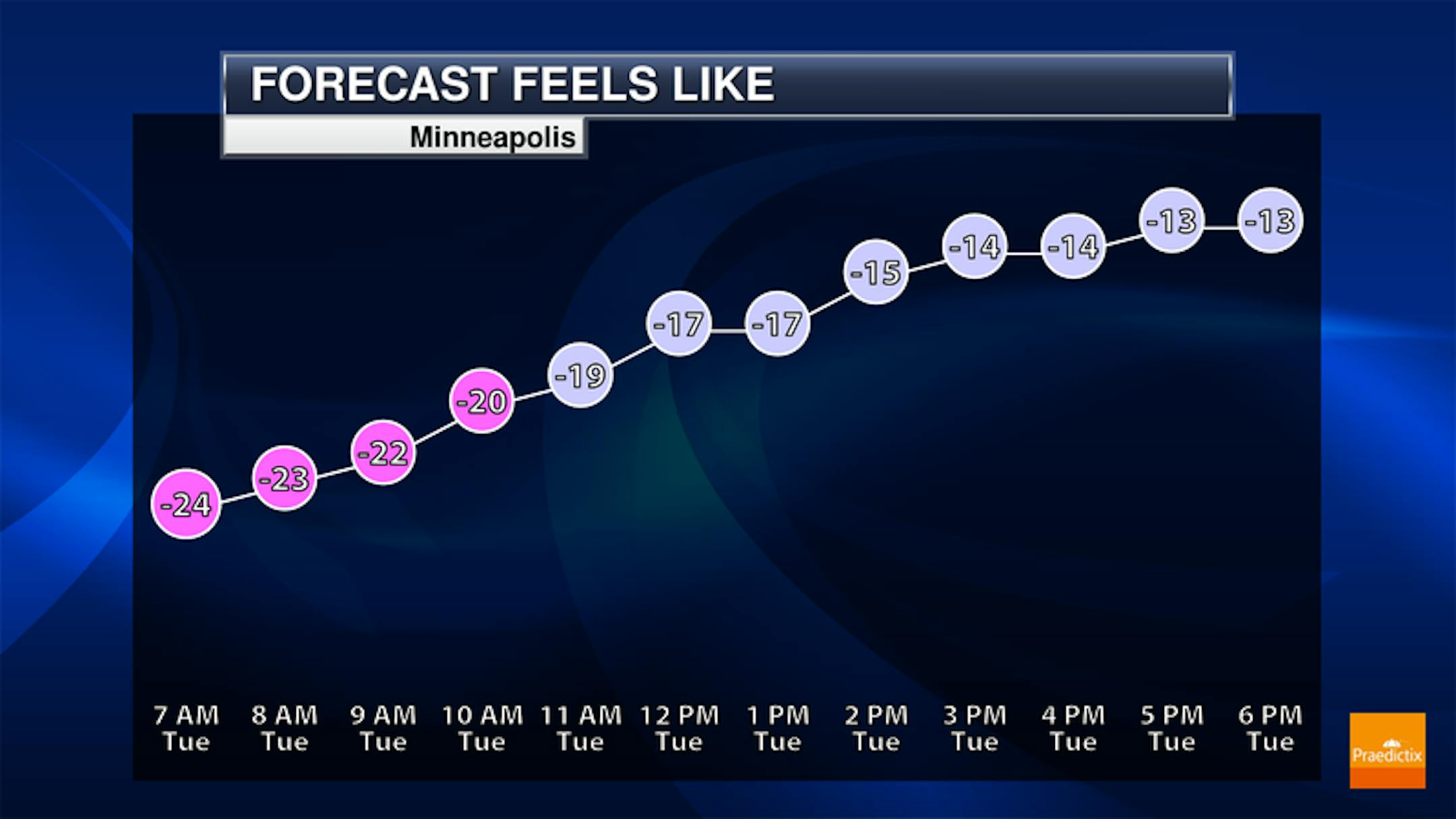
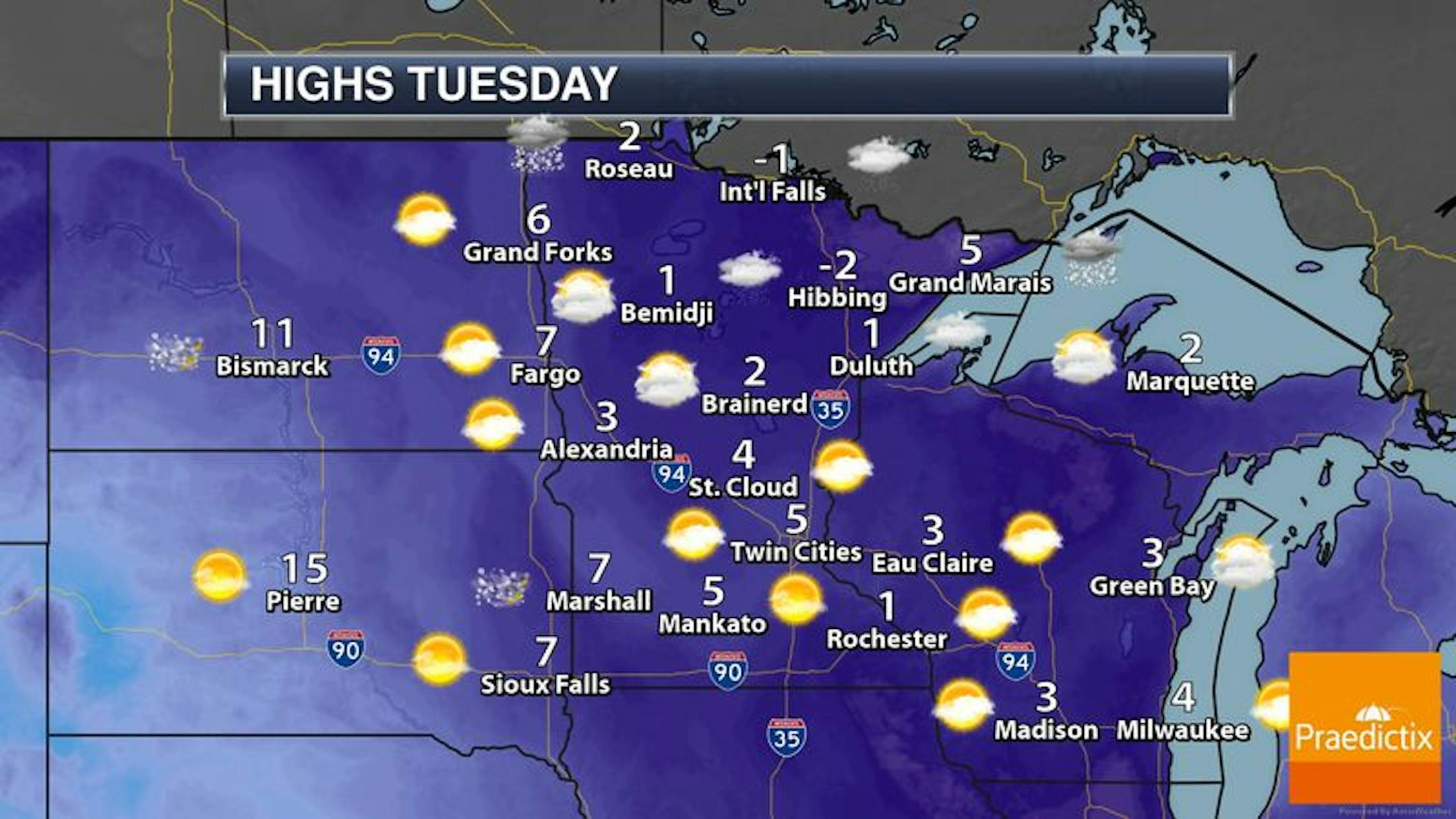
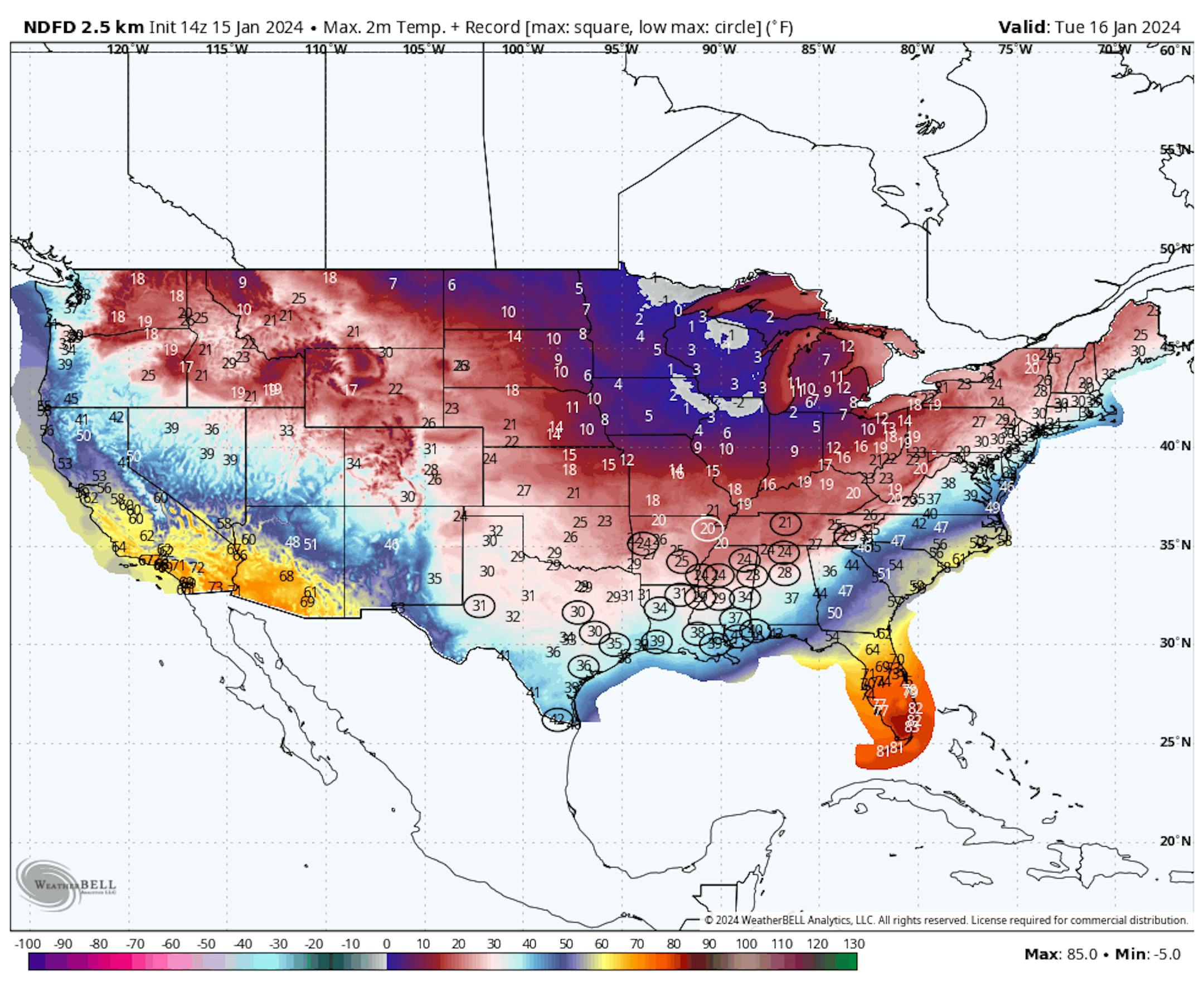
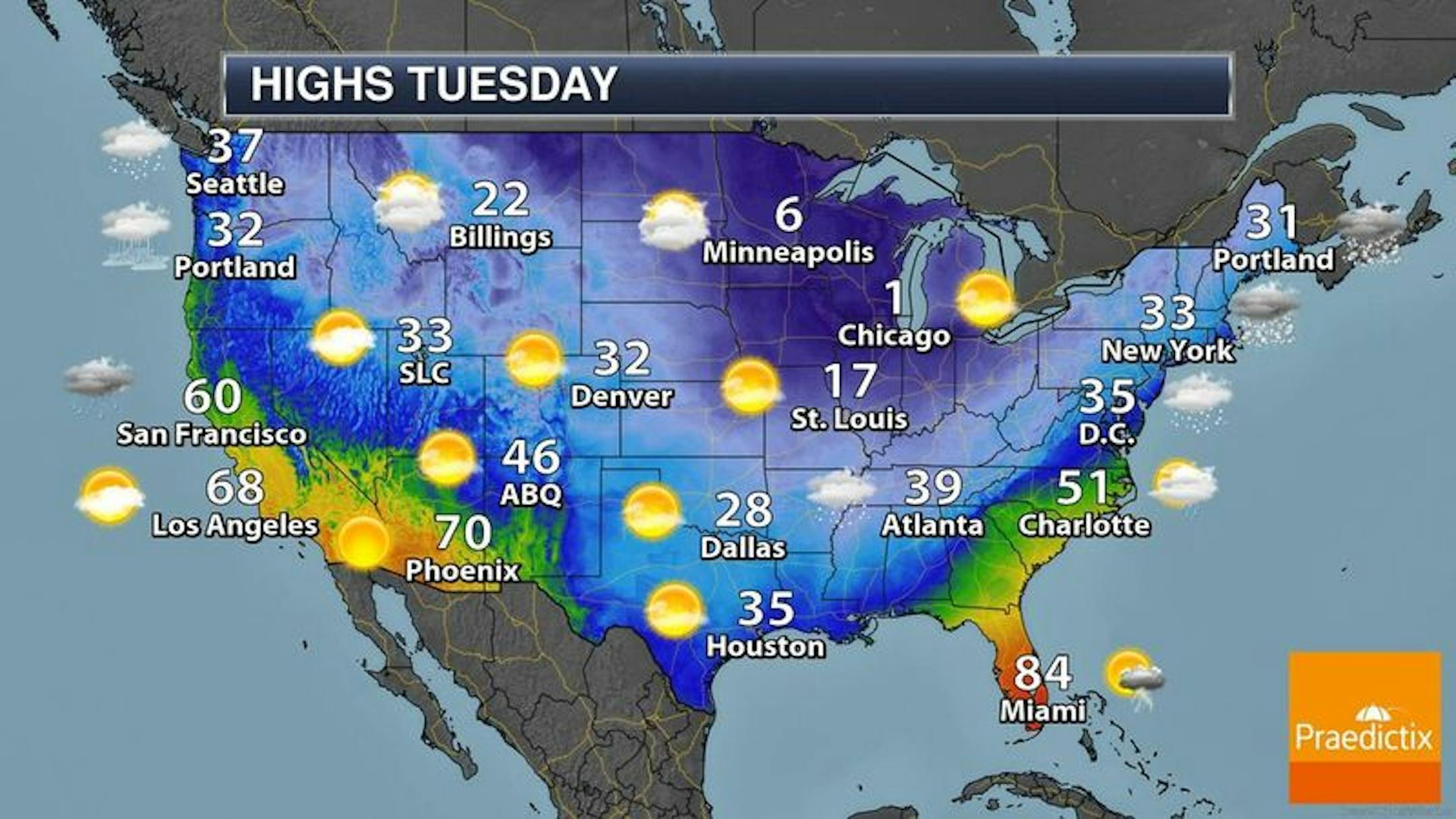
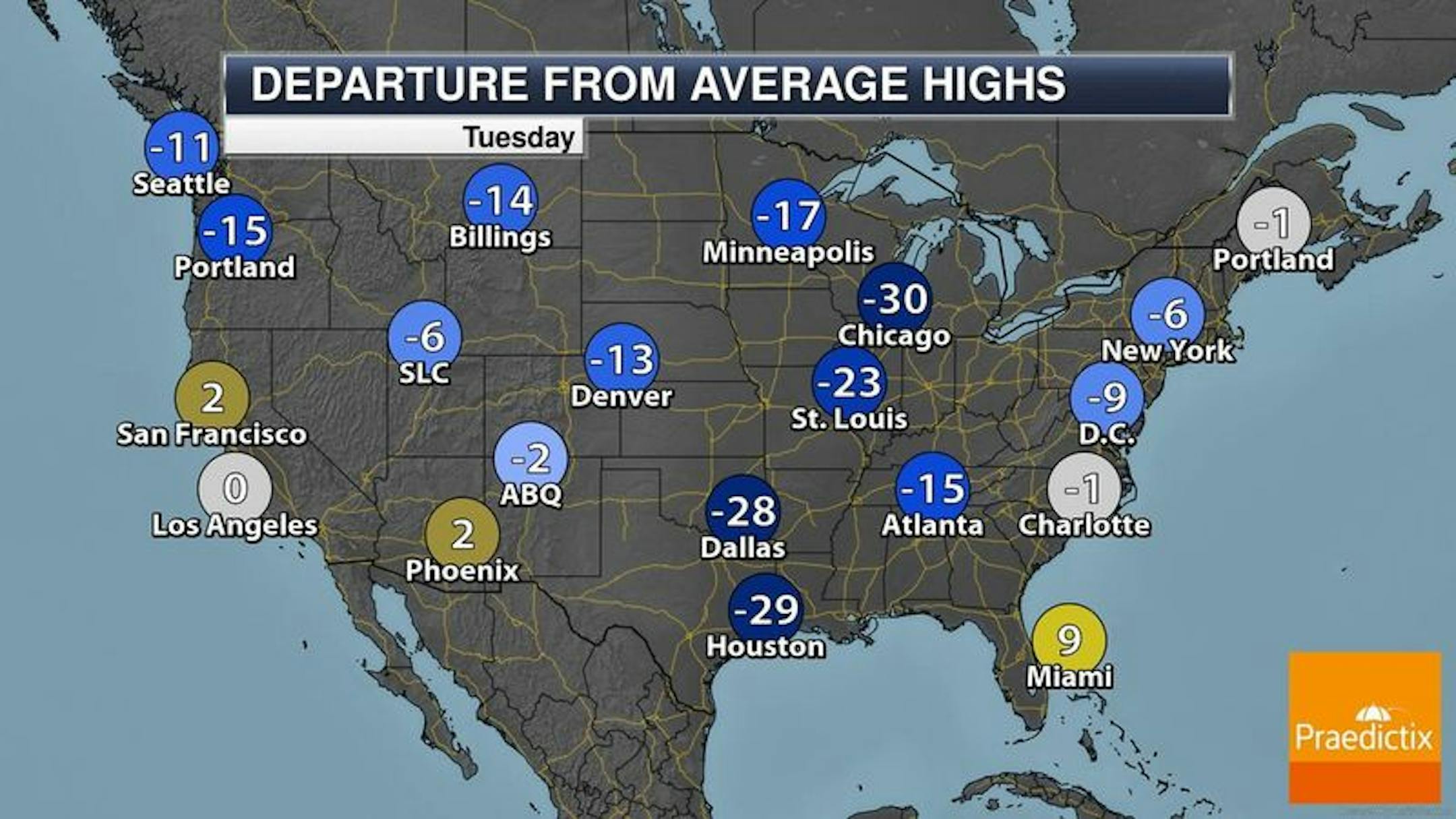
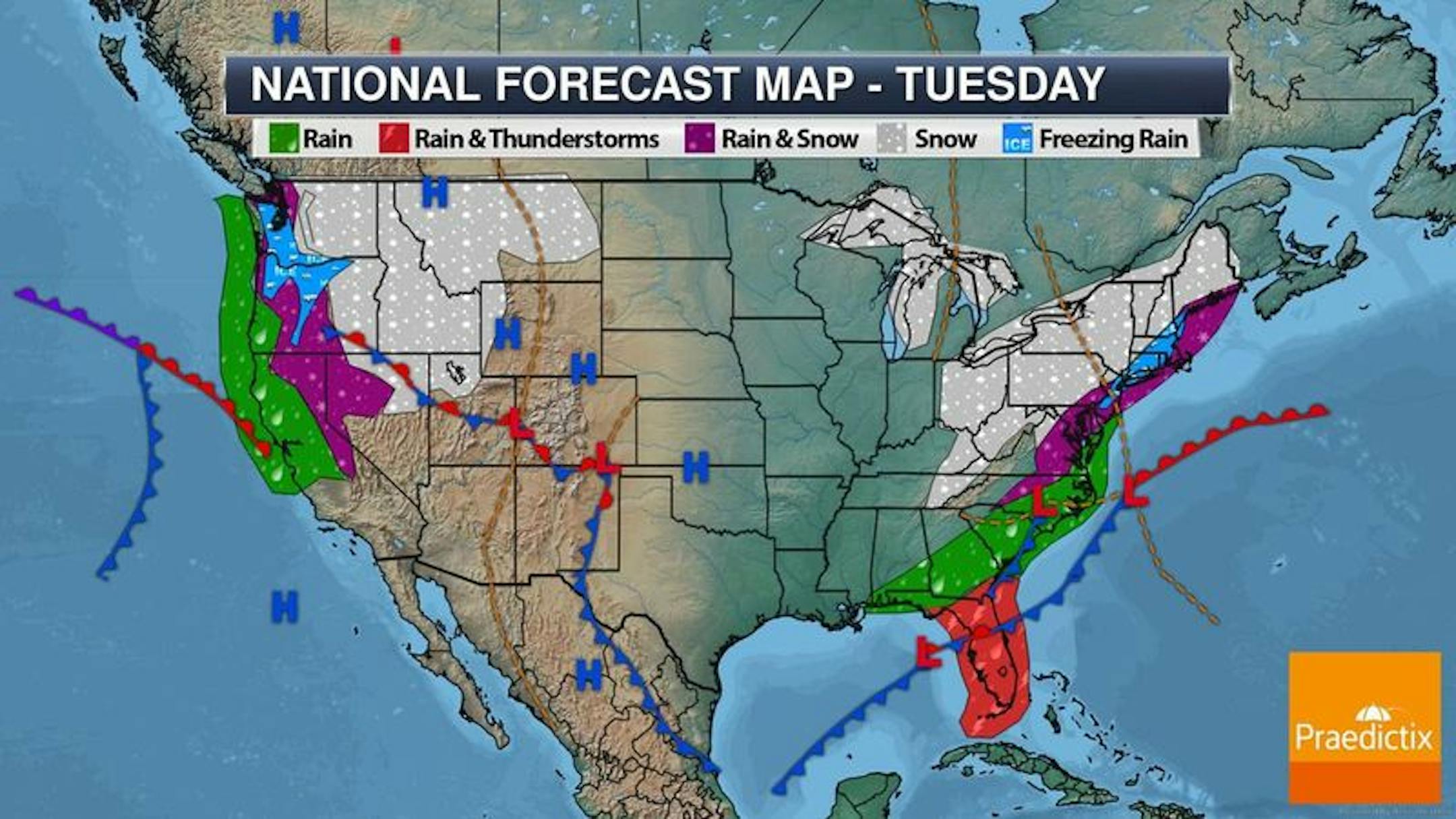
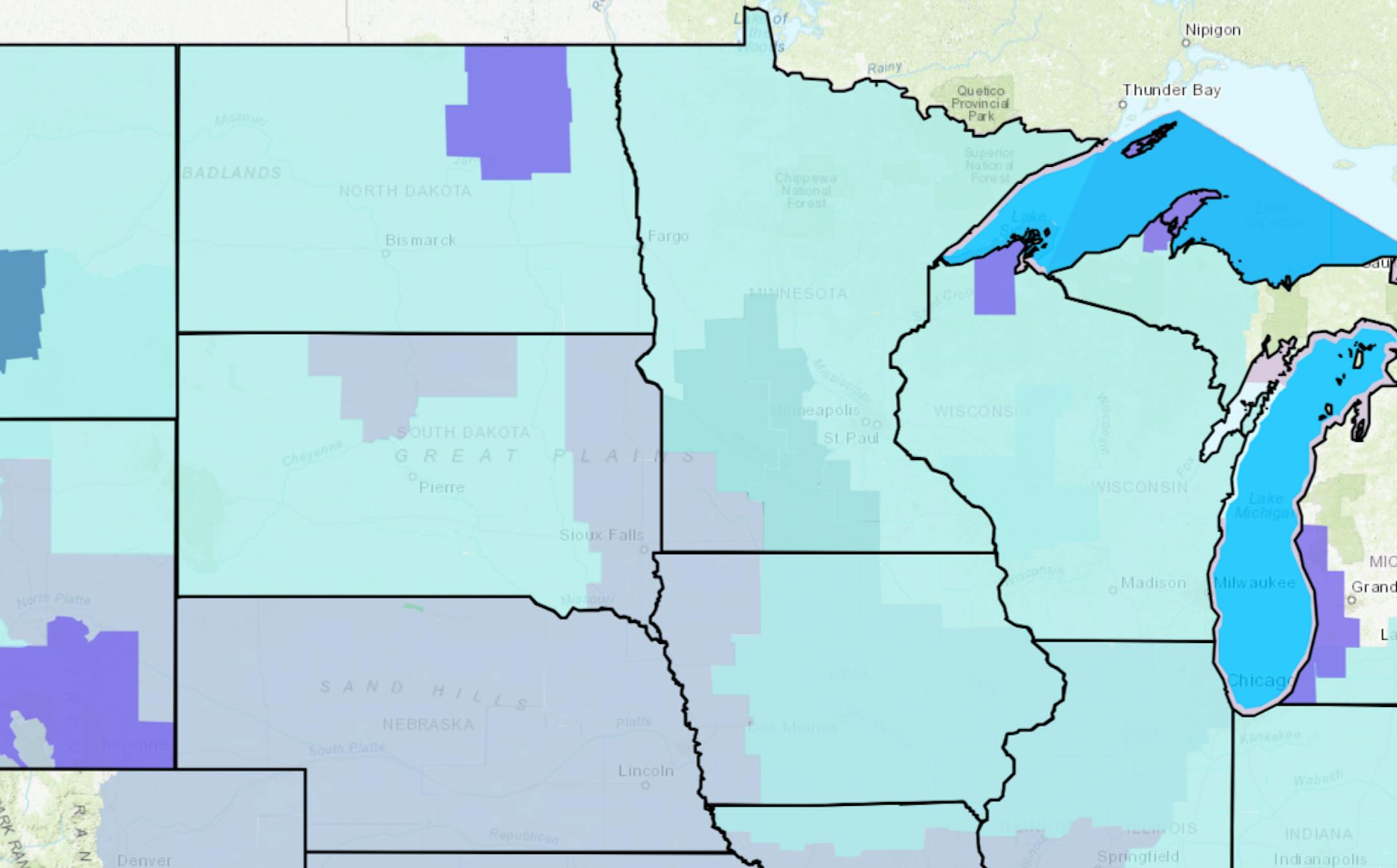
Arctic winds continue across the Midwest. Many locations will be dealing with dangerous wind cold once again on Tuesday. The National Weather Service has widespread wind chill concerns in place because of the dangerous cold.
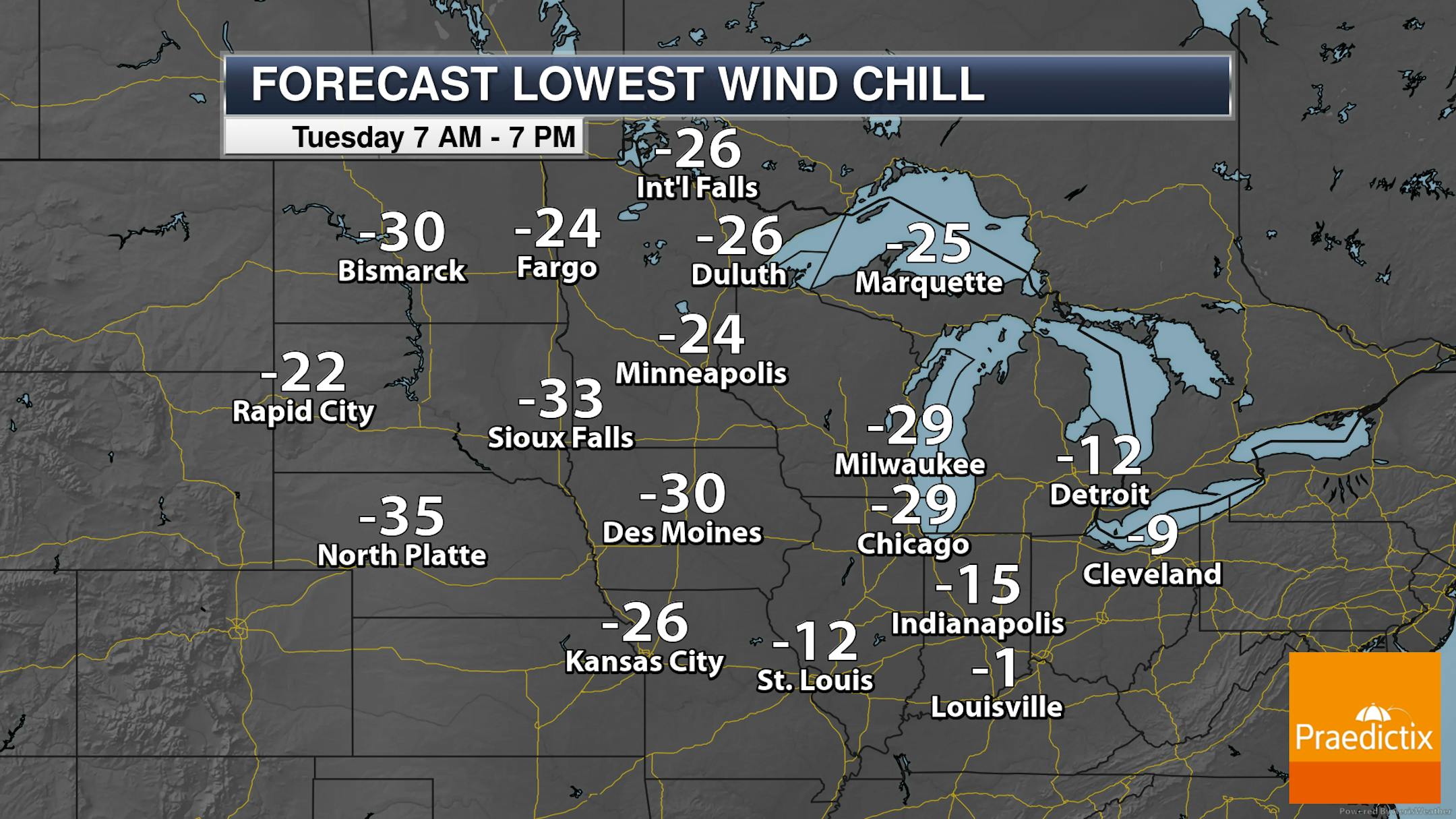
Coldest Wind Chill Values AM Tuesday
Here's the lowest wind chills expected on Tuesday. Some locations will be in the -20s to -30s across the region, which means that frost bite could occur within minutes for some. Bundle up!
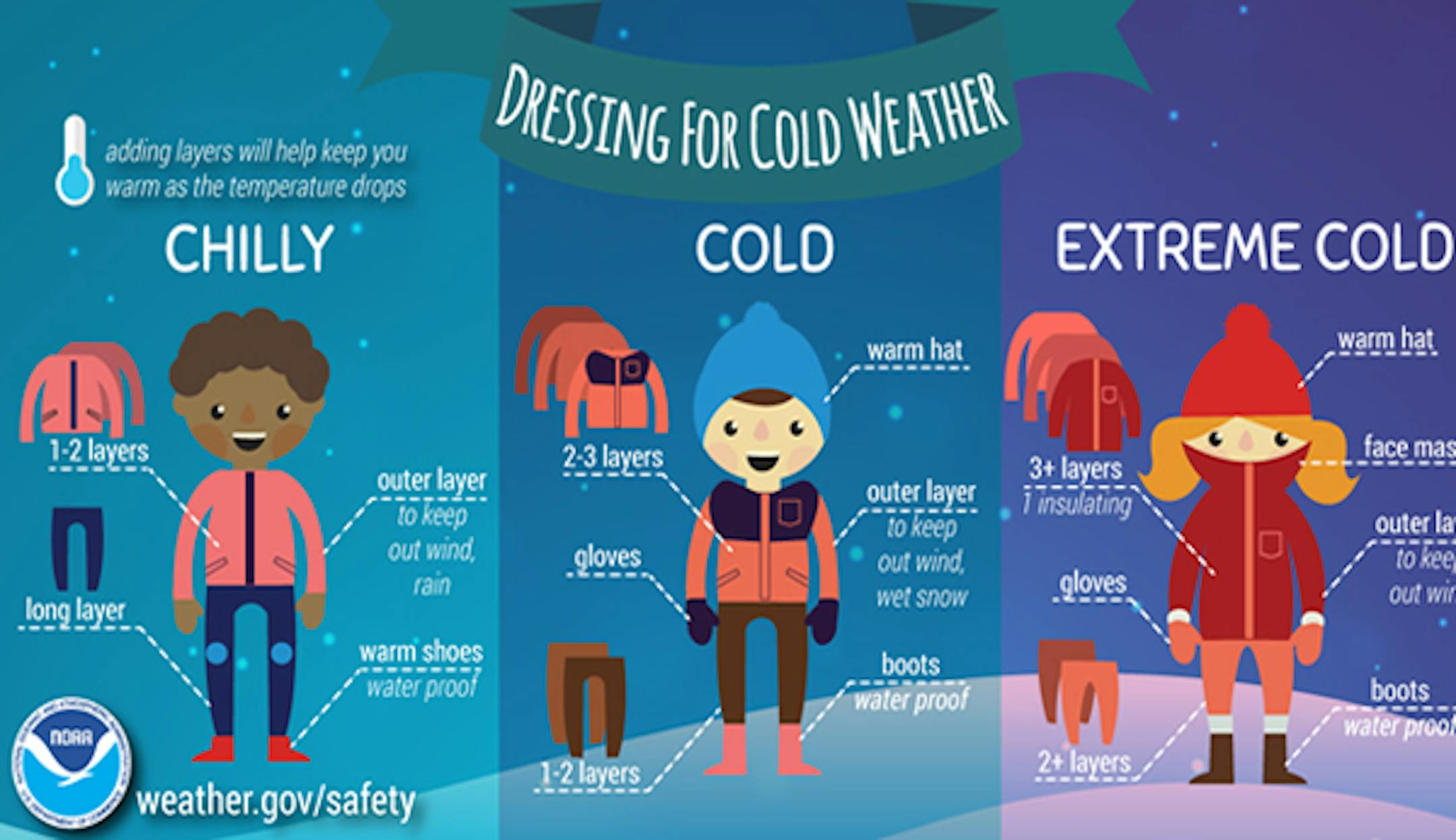
Dress For The Weather
"Extremely cold air comes every winter into at least part of the country and affects millions of people across the United States. The arctic air can be dangerous. Combined with brisk winds, dangerously cold wind chill values can result. People exposed to extreme cold are susceptible to frostbite and can succumb to hypothermia in a matter of minutes. Areas most prone to frostbite are uncovered skin and the extremities, such as hands and feet. Hypothermia occurs when the body loses heat faster than it can produce it. Cold weather can also affect crops. In late spring or early fall, cold air outbreaks can damage or kill produce for farmers, as well as residential plants and flowers. A freeze occurs when the temperature drops below 32°F. Freezes and their effects are significant during the growing season. Frost develops on clear, calm nights and can occur when the air temperature is in the mid-30s. Each plant species has a different tolerance to cold temperatures. You may also want to check out our winter safety site for snow and more cold season hazards information. If you or someone you know has been a victim of extreme cold, please share your story so we can help prevent others from becoming a victim. When you write, please state that the NWS has permission to use your story, and let us know the town and state you were in and when the event took place. Read our real-life stories from extreme cold survivors."
Welcome to the Arctic
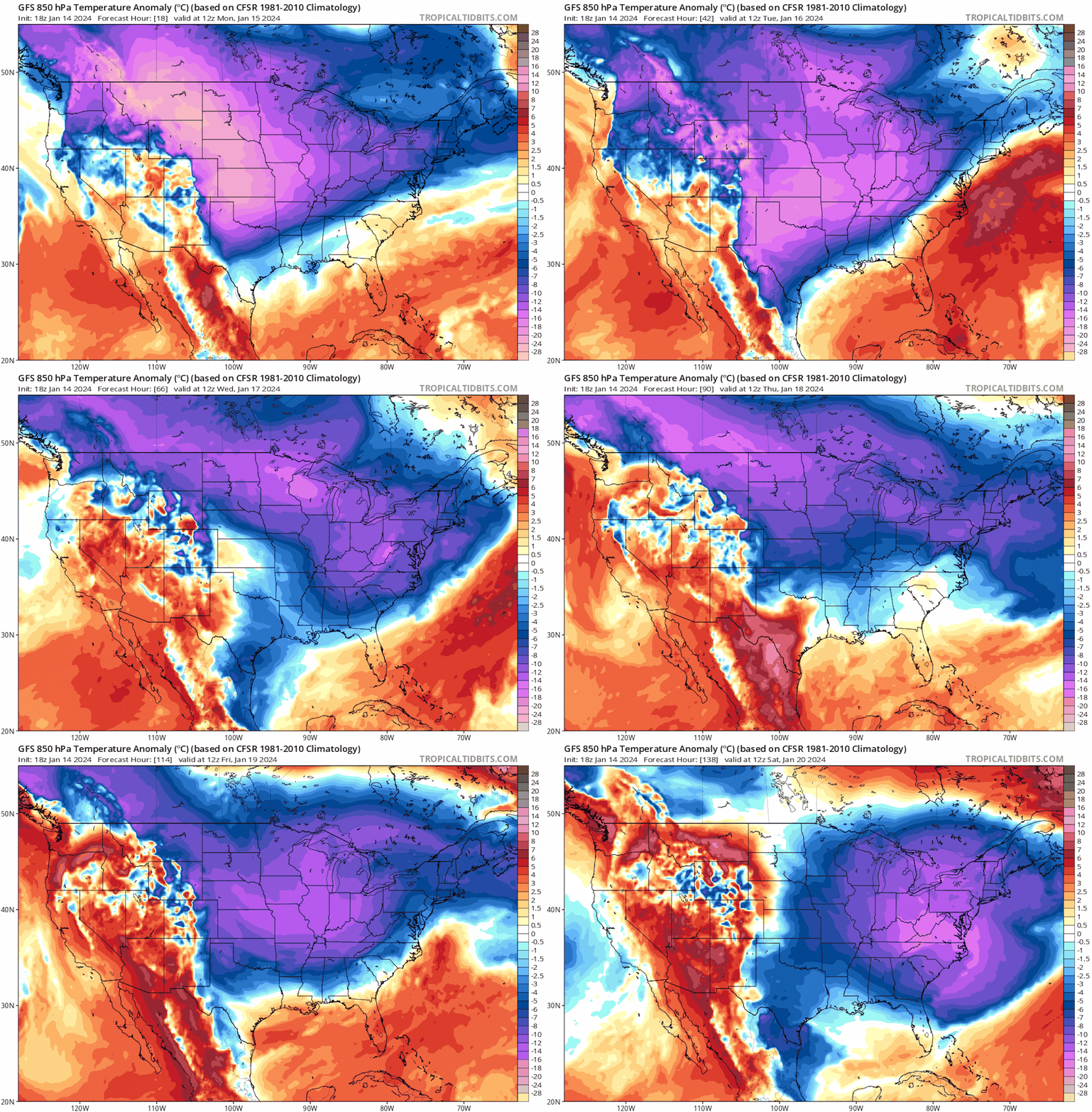
Take a look at the 850mb temp anomaly across the nation as we head through the next 7 days. Some of the coldest air of the season by far will continue across much of the nation with many dealing with subzero wind chill values.
COLD Mid January Temperatures
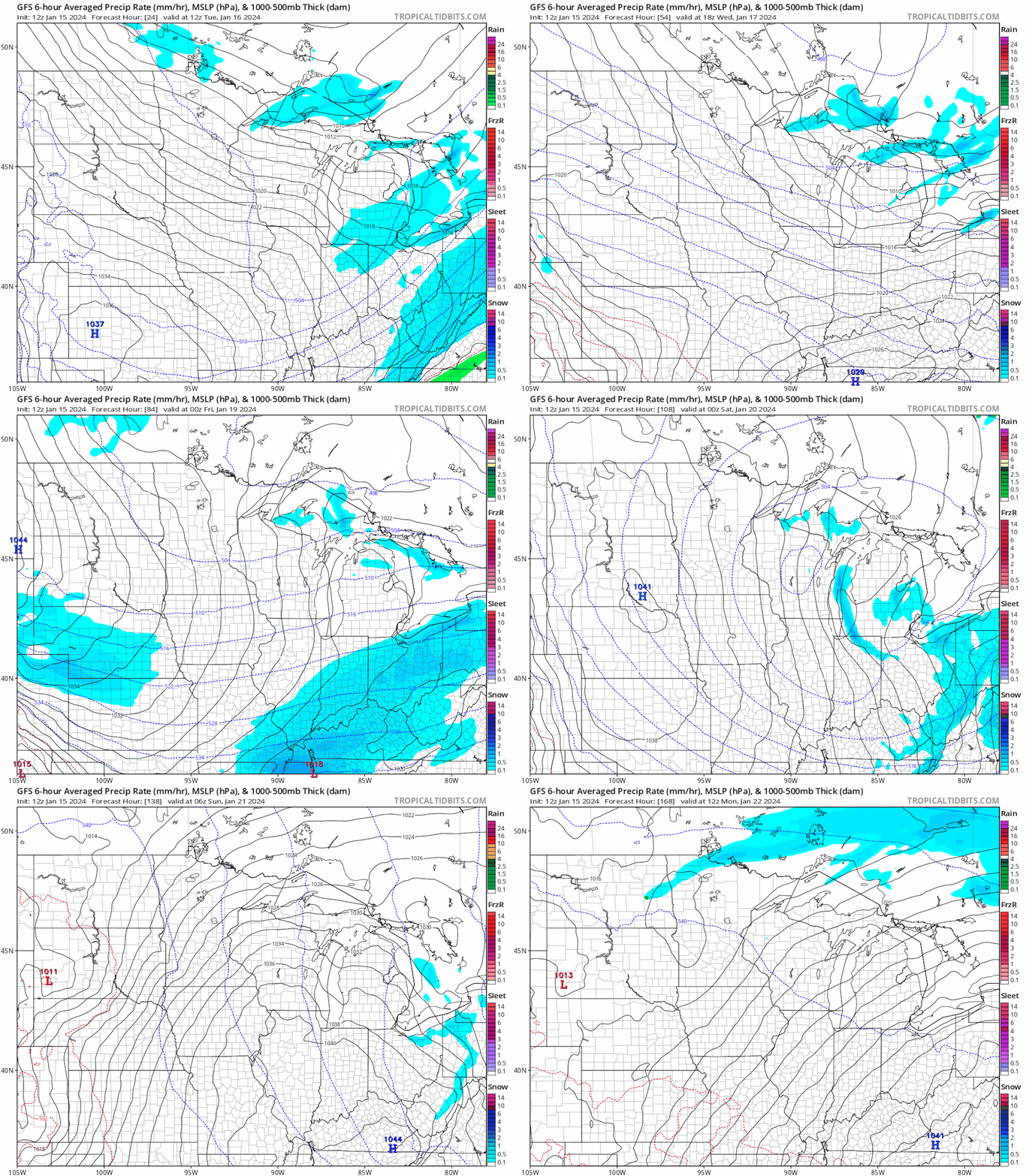
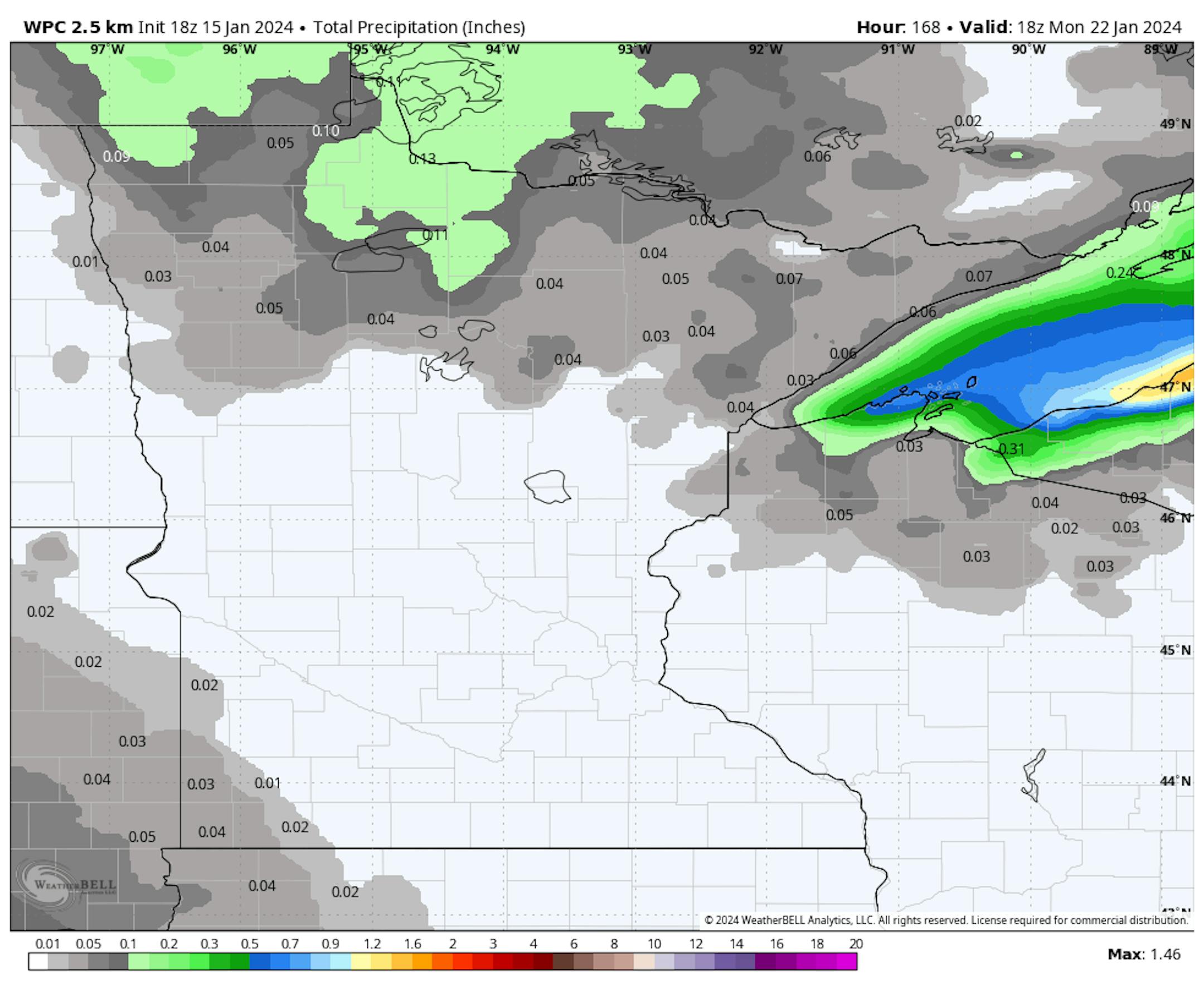
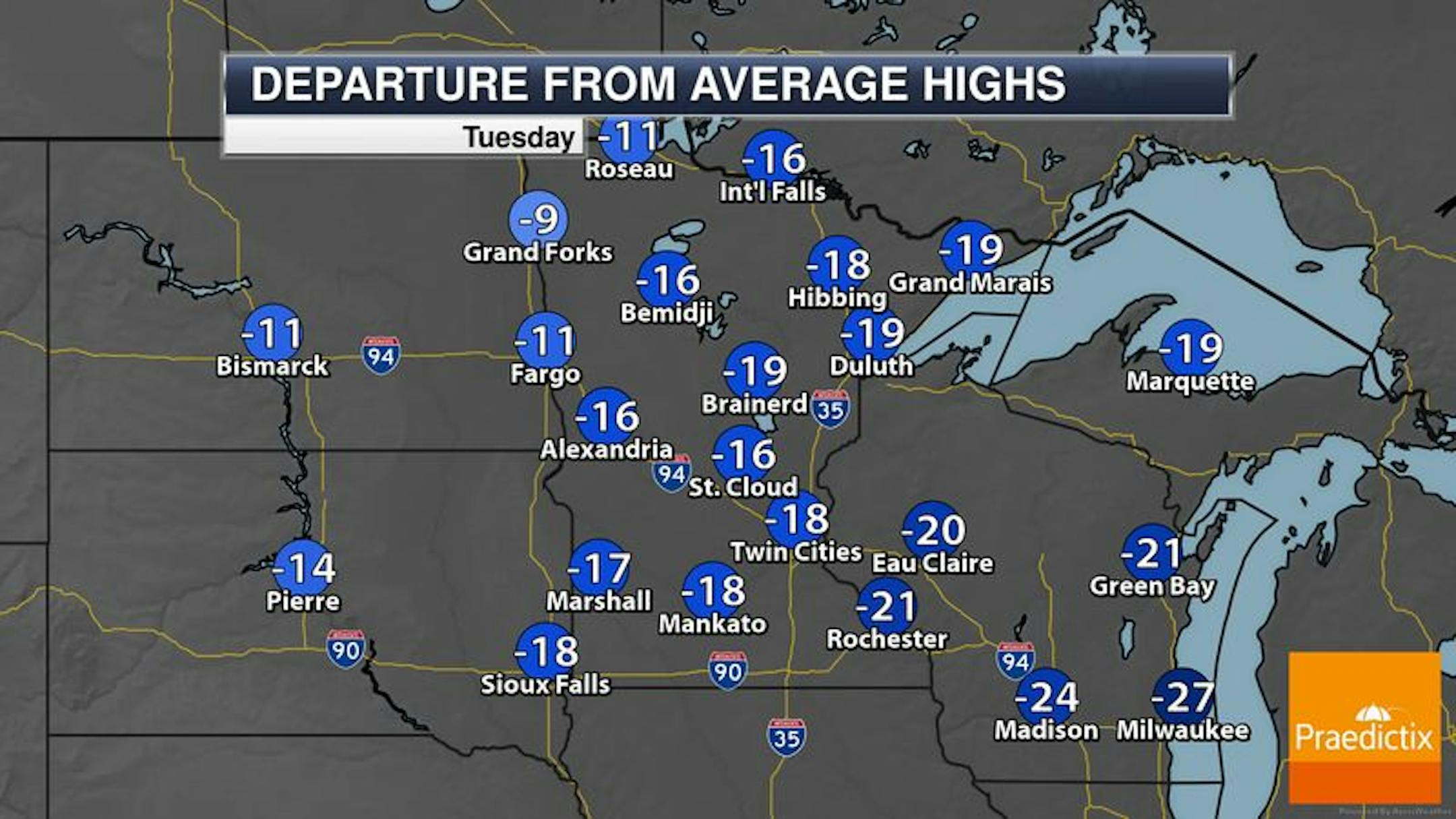
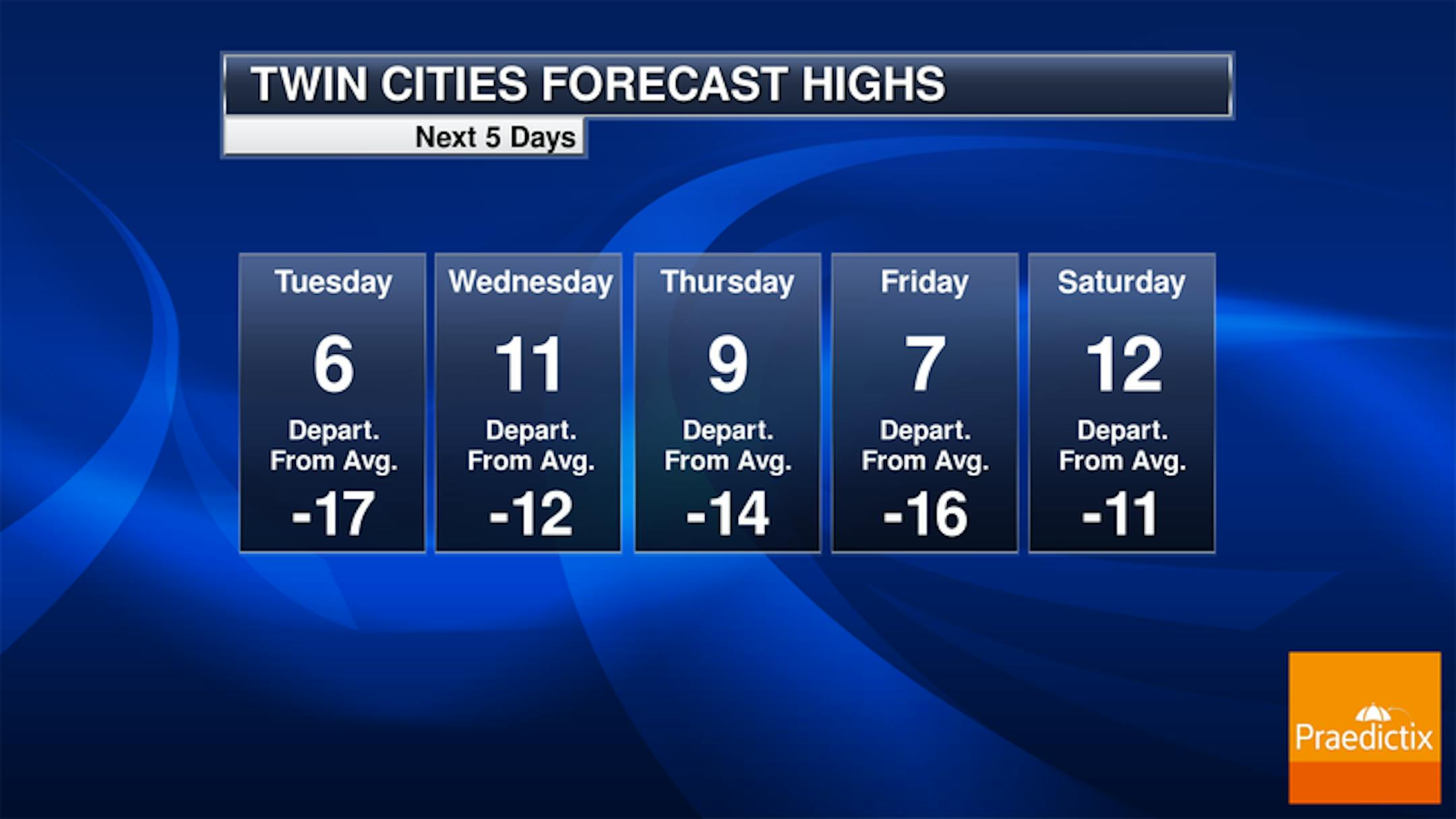
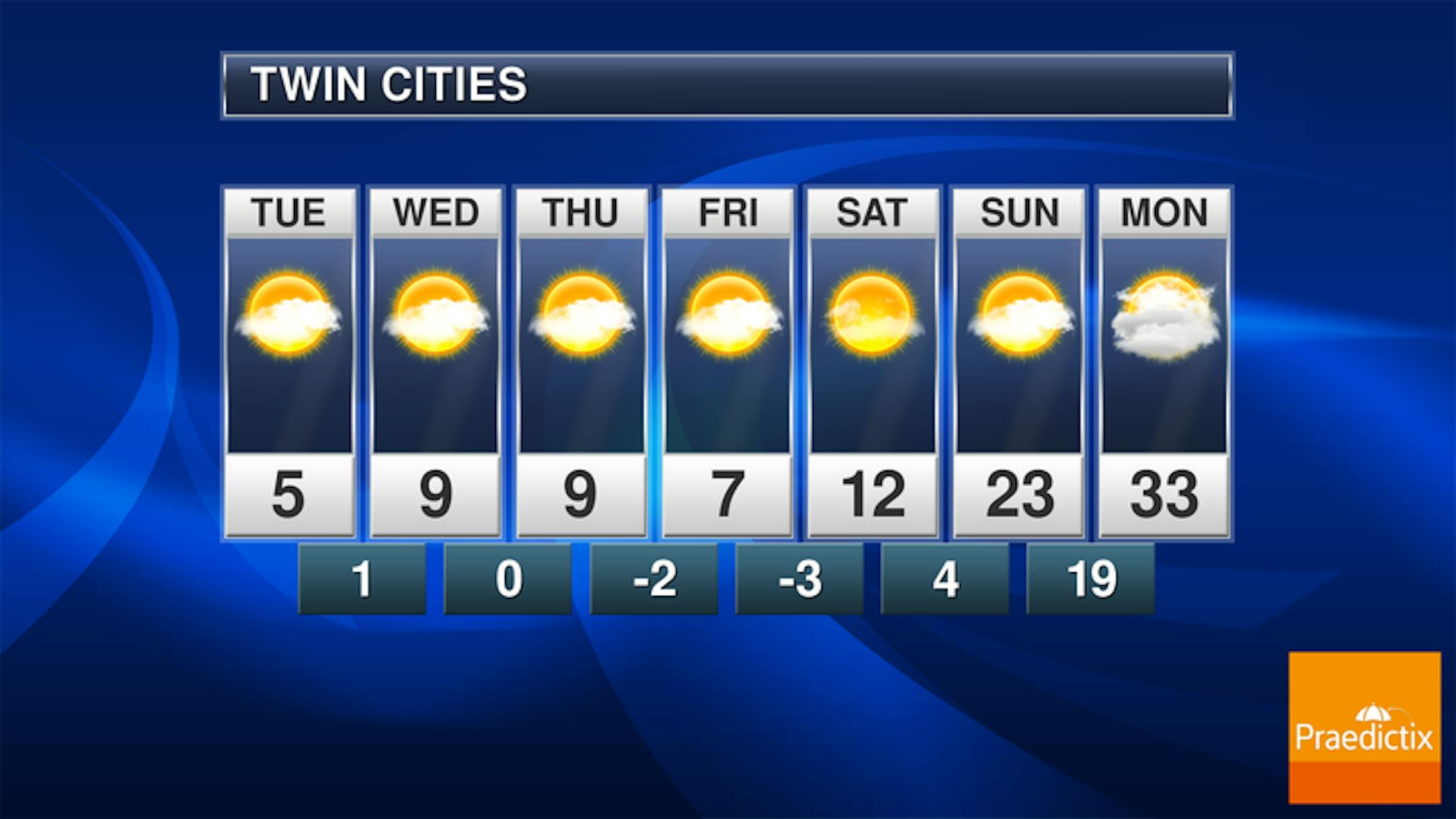
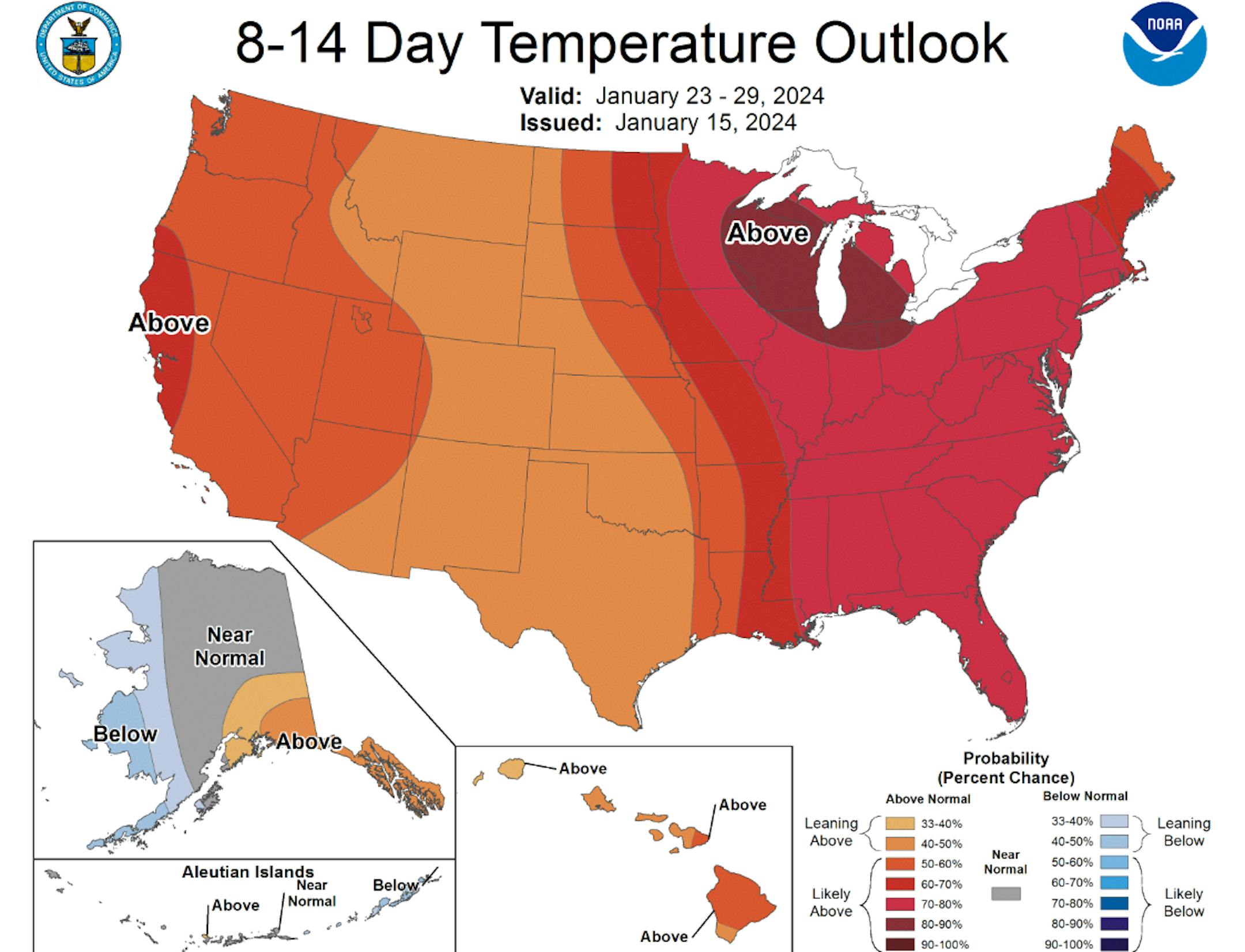
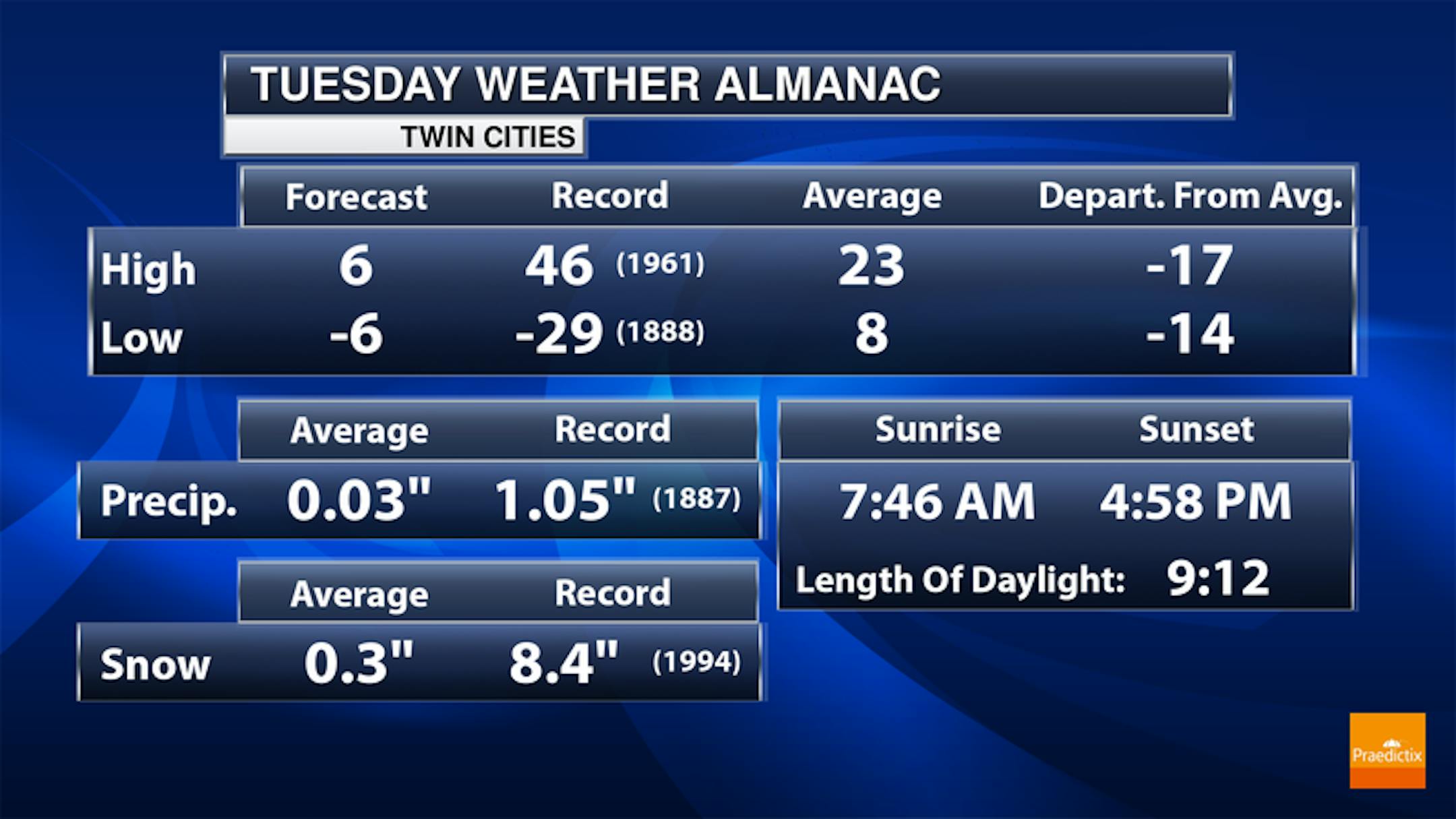
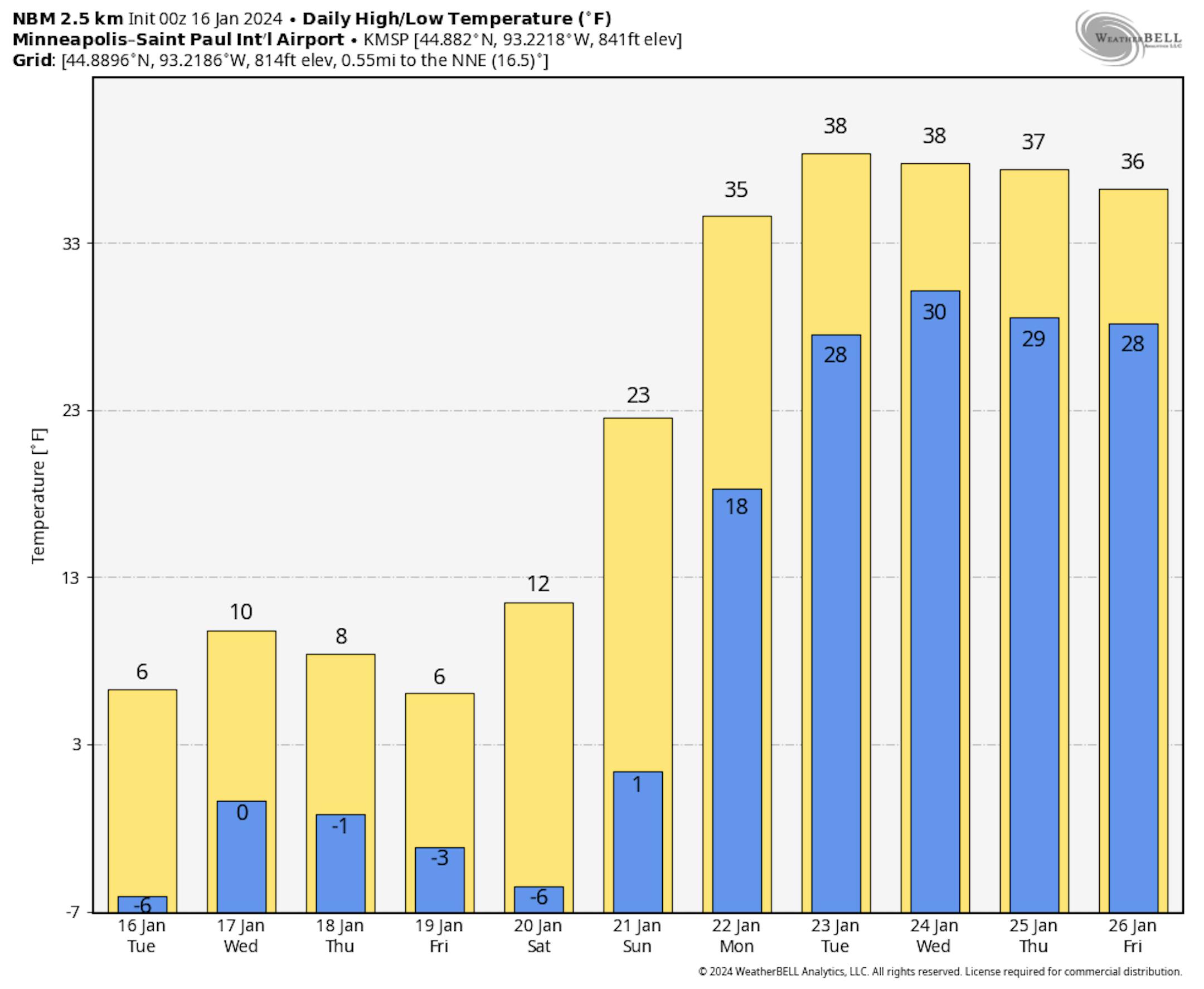
Temps in the Twin Cities over the next several days will continue to see very cold temps with readings running well below average for this time of the year. As we approach the weekend and into next week, we'll see a pretty dramatic shift toward warmer temps once again.
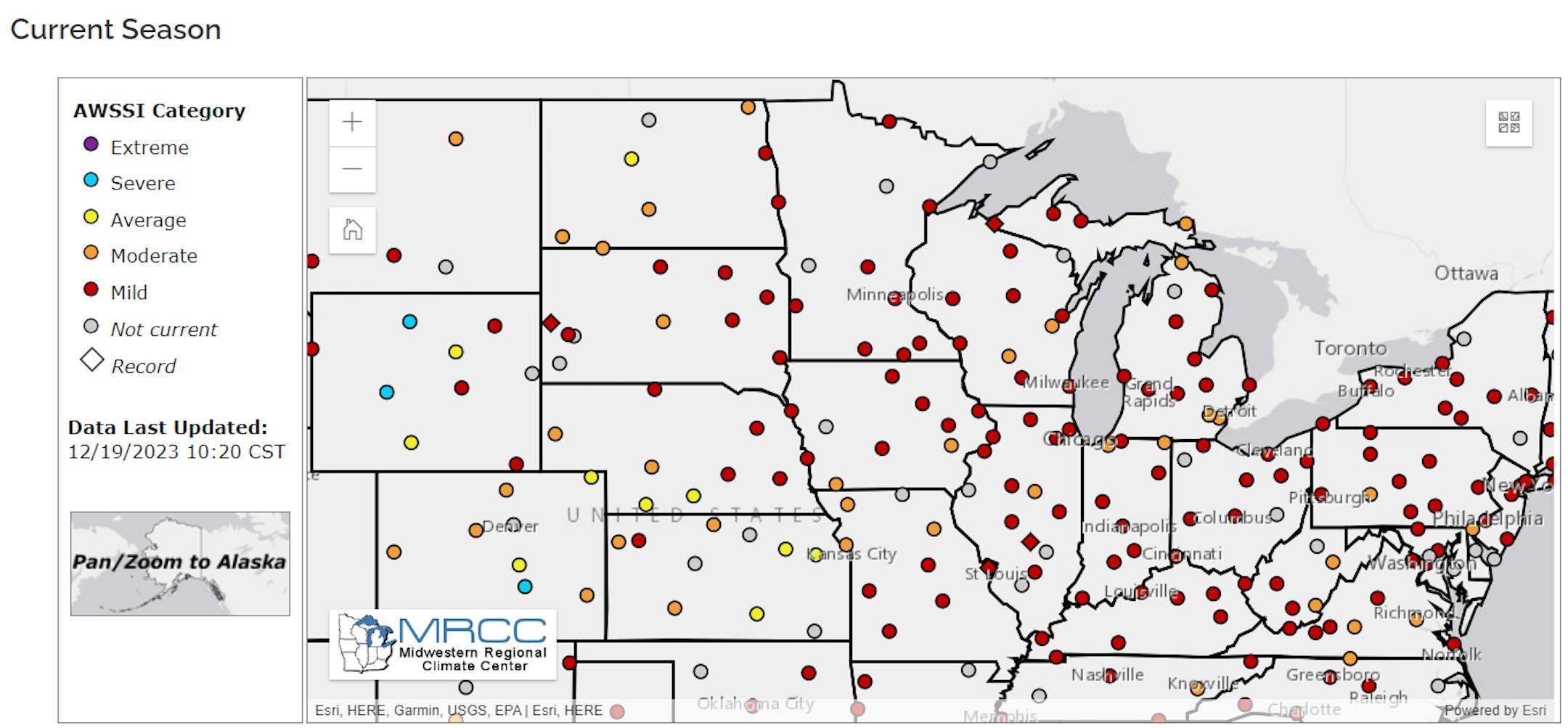
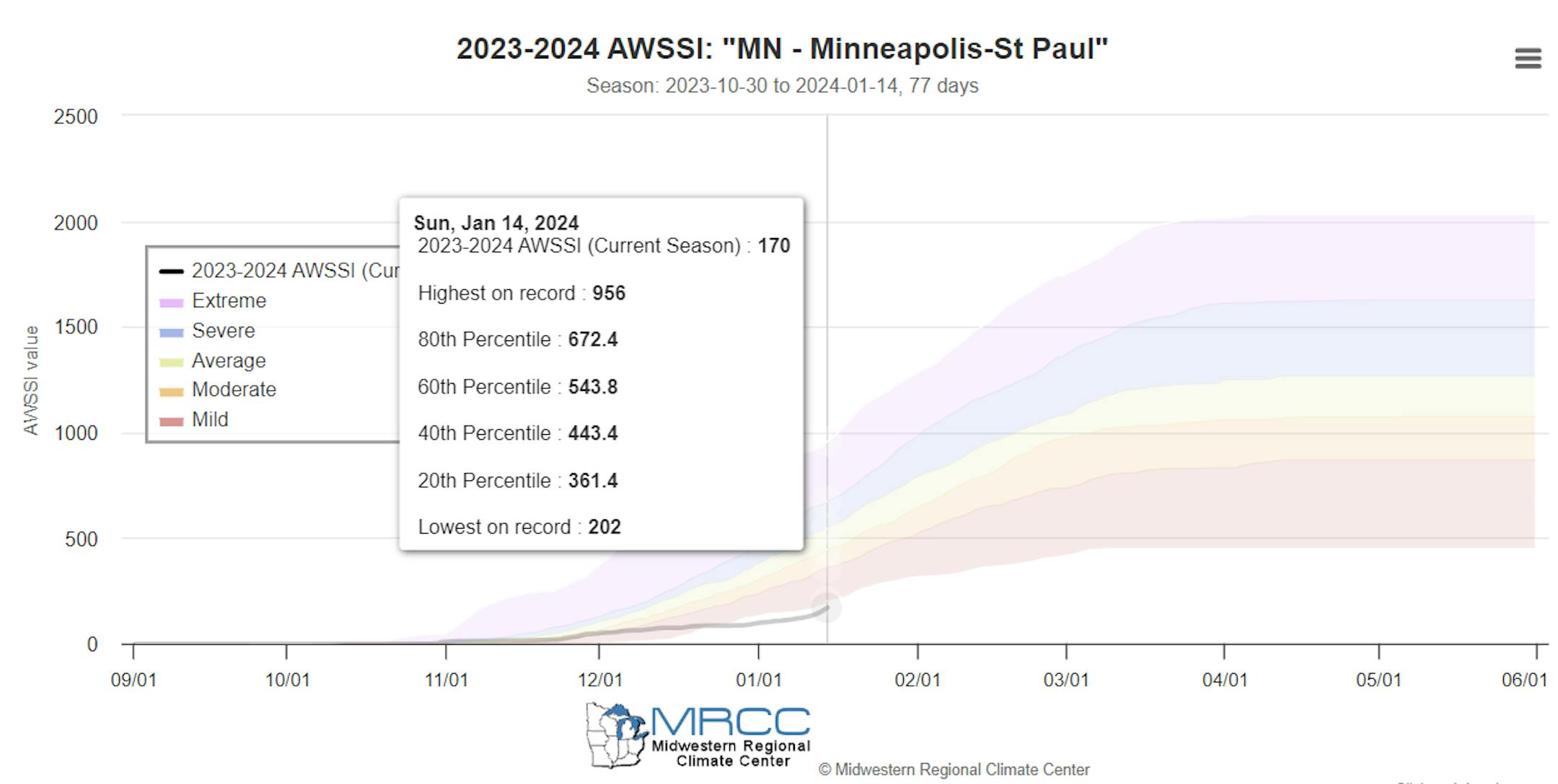
Accumulated Winter Season Severity Index (AWSSI)
"Winter seasons have significant societal impacts across all sectors ranging from direct human health and mortality to commerce, transportation, and education. The question "How severe was this winter?" does not have a simple answer. At the very least, the severity of a winter is related to the intensity and persistence of cold weather, the amount of snow, and the amount and persistence of snow on the ground. The Accumulated Winter Season Severity Index (AWSSI) was developed to objectively quantify and describe the relative severity of the winter season."
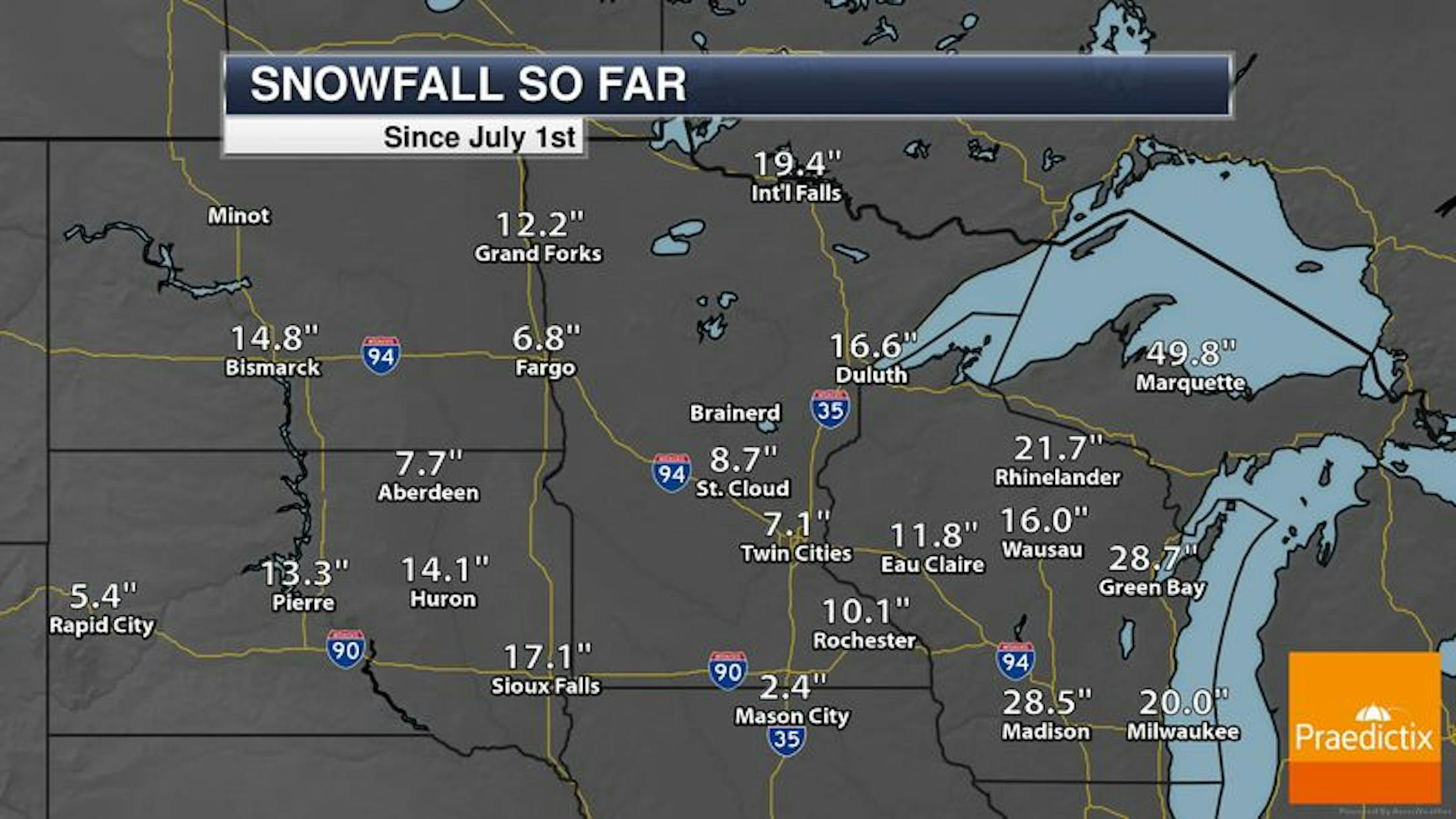
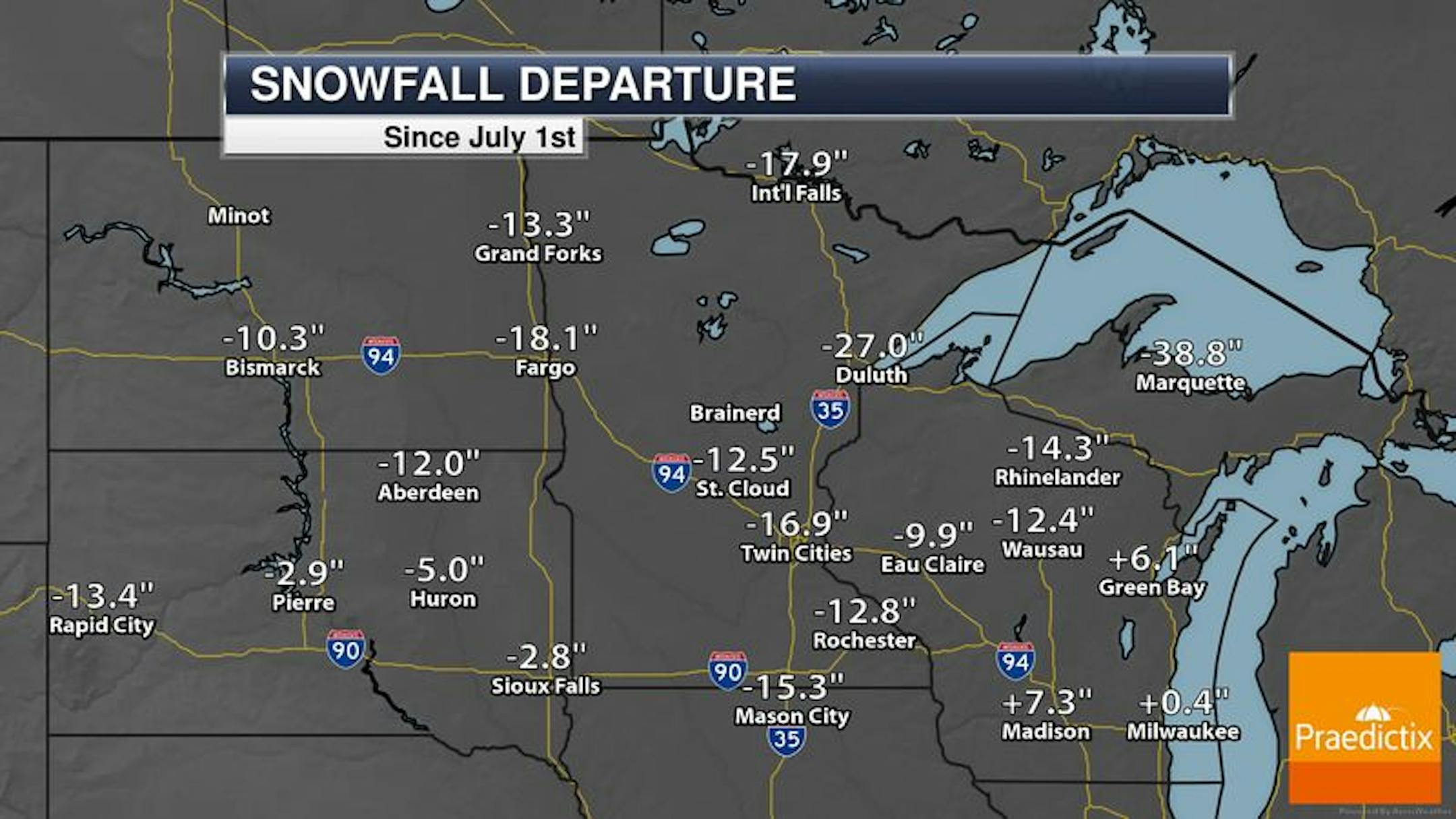
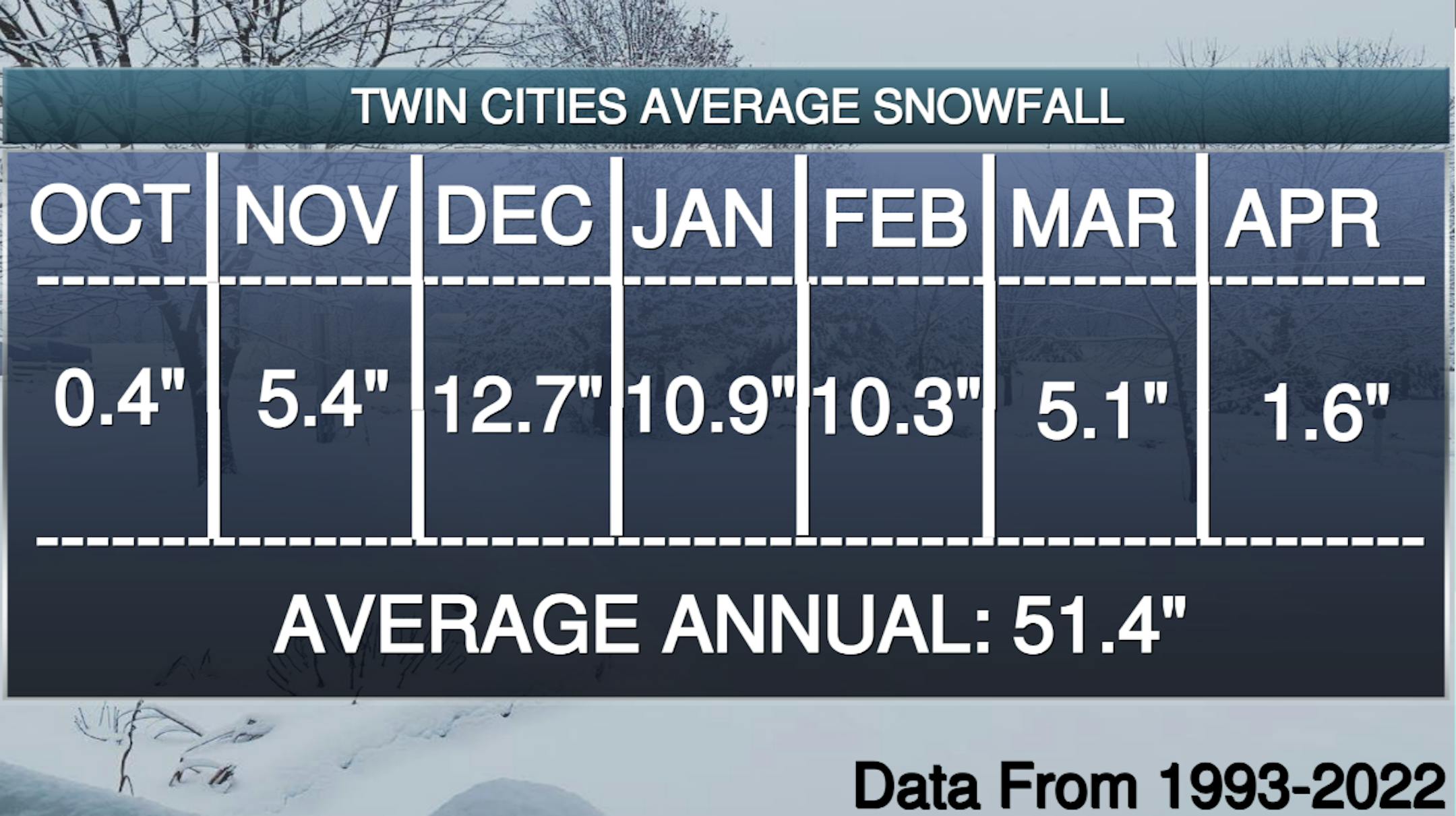
It's probably no surprise, but most locations around the Midwest and Great Lakes have had a "Mild" winter so far. Again, we're still waiting for the other boot to drop, but being in an El Nino setup, a winter like last year is not really in the cards. The Midwest will likely see an overall warmer and less snowy winter.