

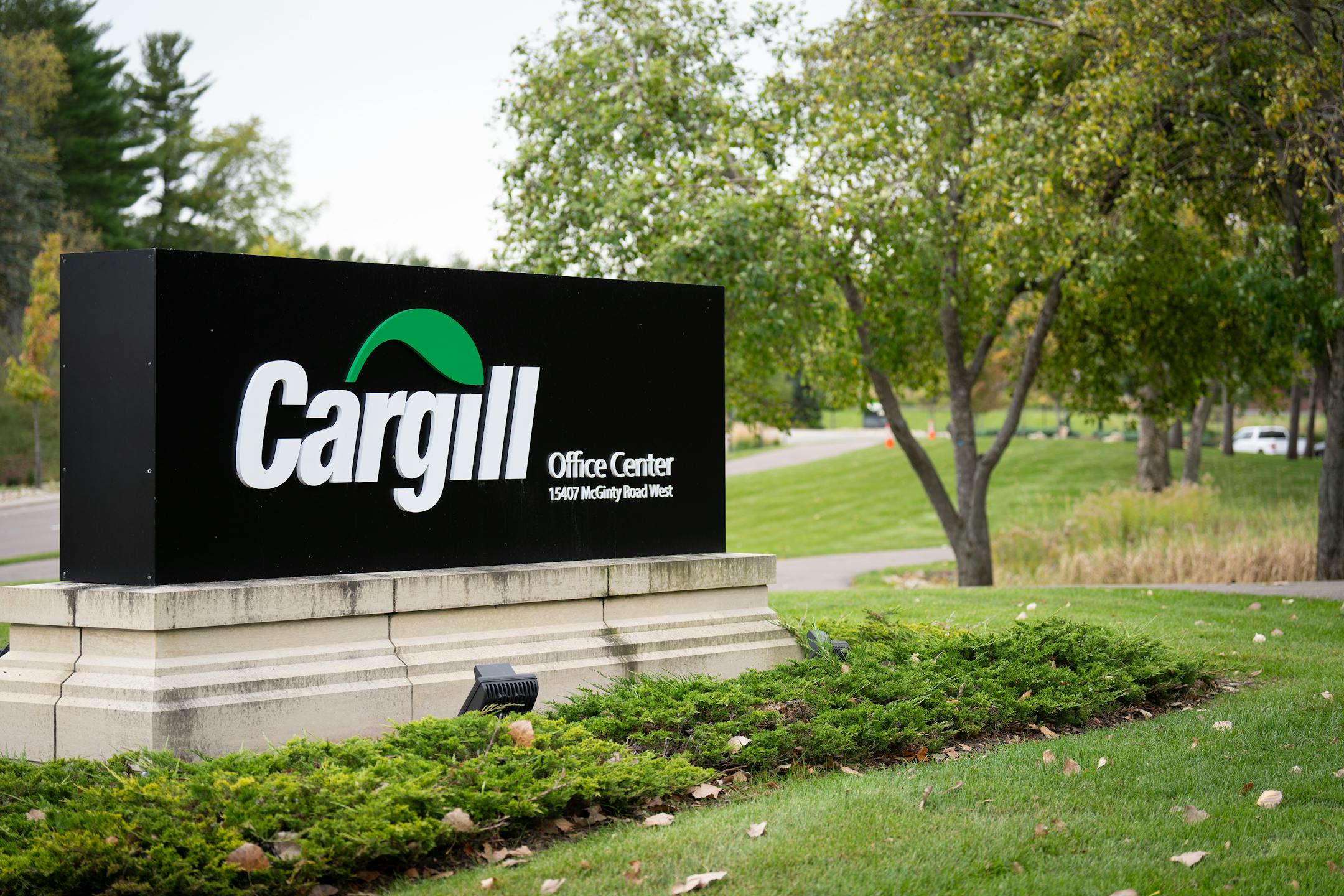
Cargill is paying nearly $30 million to settle a class-action lawsuit alleging the company conspired with other beef producers to keep wages down at its meatpacking plants.
The suit alleged Cargill and other meat companies shared compensation data through third parties and “secret meetings” over several years to hold wages and benefits at artificially low levels, law firm Hagens Berman asserts.
“We look forward to the court’s preliminary approval of this settlement so that payments can begin to make their way to the class members who rightfully deserve this money,” Shana Scarlett, partner at Hagens Berman, said in a news release.
Minnetonka-based Cargill said in a statement the company decided to settle the case “only to avoid larger litigation costs and distractions from the critical work our production teams do.”
“Cargill conducts business in a legal, ethical and responsible manner and we deny any and all wrongdoing. We are grateful for our employees’ commitment, and we set their compensation independently to ensure fair pay and competitive wages in each of our plants.”
The company is one of the nation’s “Big Four” meat processors alongside Tyson, JBS Foods and National Beef, which together control 85% of beef production in the U.S. All four companies have now agreed to settle the wage-fixing claims against them.
The $29.75 million deal joins a $13.5 million settlement Minnesota-based Hormel Foods and its suppliers agreed to last month. More than $200 million in settlements have been reached in the federal antitrust cases to date.


