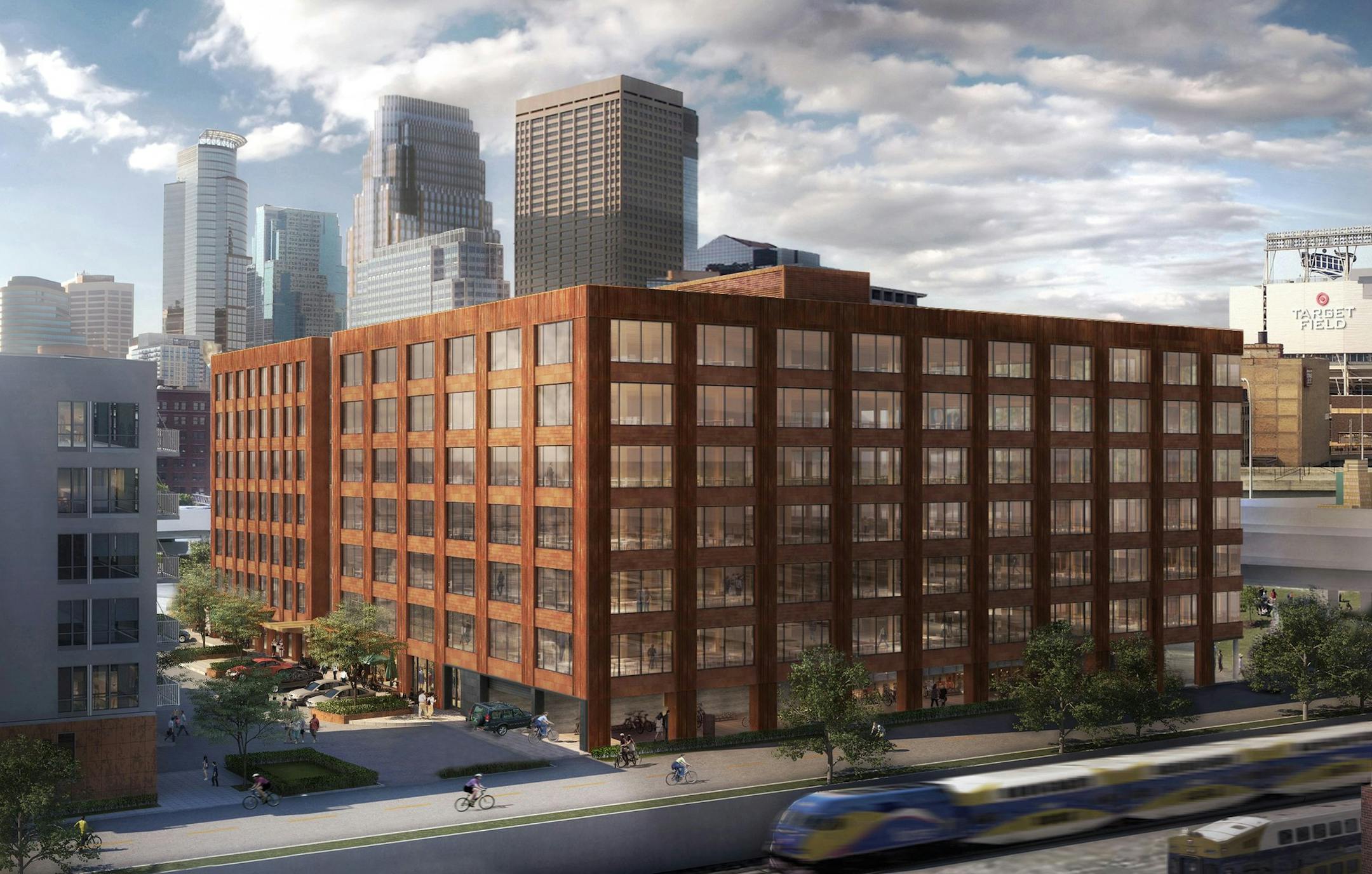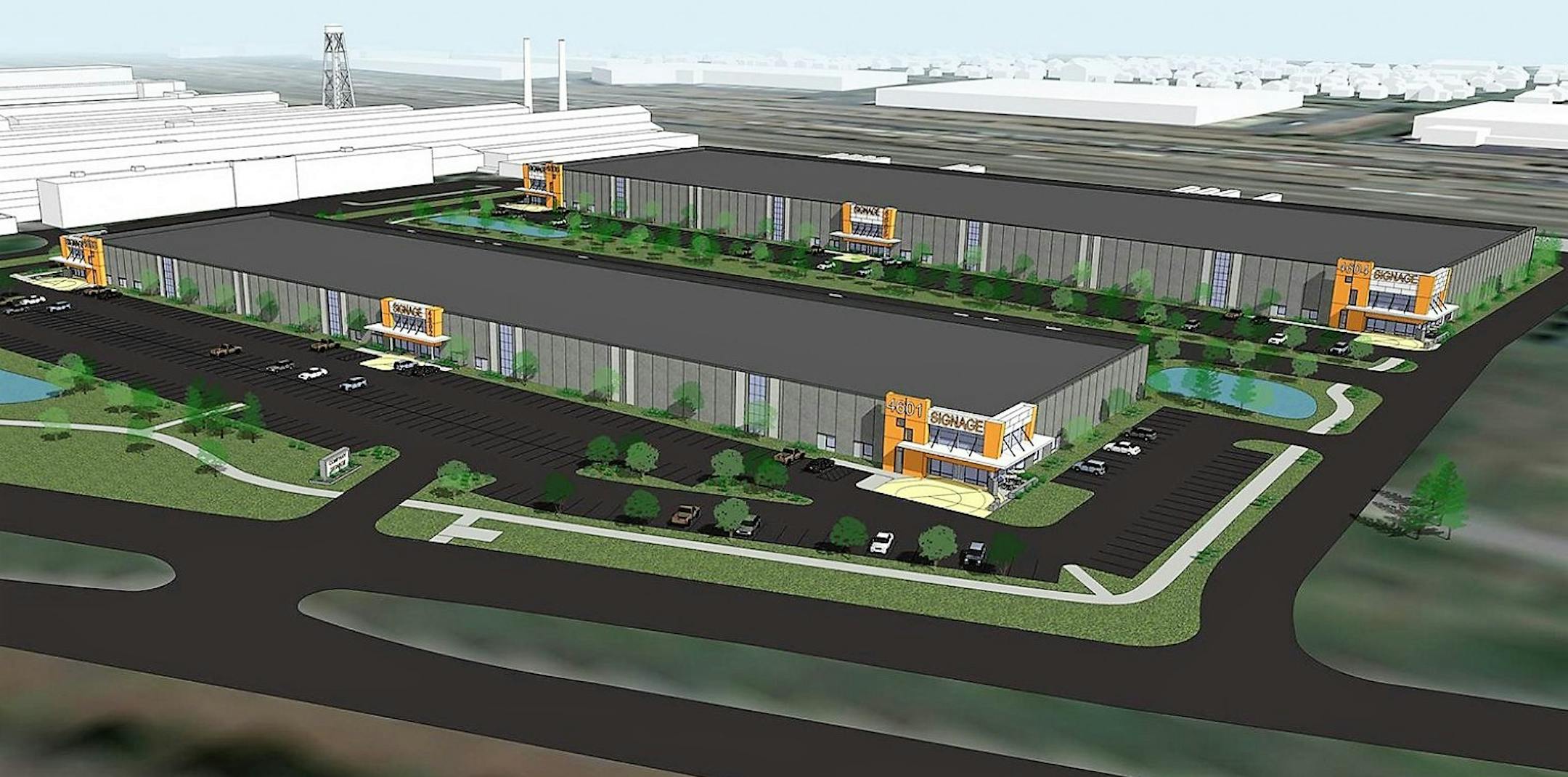
This year and last have been relatively good times for the Twin Cities' office and industrial commercial real estate markets. Vacancy levels in the office market are nearing pre-recession lows while a massive building boom has been ongoing in the industrial sector.
A panel of top local experts met this week for an industry-sponsored event at the Hopkins Center for the Arts to assess whether the trends will hold. Their verdict generally was "yes," though likely not as robustly.
They said the Twin Cities remains at the center of a strong regional economy that is attracting new residents and capital investment from around the world. That is introducing new players to both the office and industrial sectors, pushing up rents and sparking strong interest from capital investors seeking to buy and build commercial properties.
The downside is that we may be nearing or at the peak of the wave of the current cycle. Indeed, the title of the event, "Riding the Wave," implies it will inevitably break.
Industrial real estate
Last year was a truly amazing one for the building of new high-ceilinged bulk distribution warehouse space, as well as other industrial real estate, with a record 4.8 million square feet of new construction delivered into the market.
This year, however, the amount of new space built — while still quite healthy by typical standards — will not be nearly as high. And there is another big difference: Rather than being built mostly on a speculative basis as previously, the balance has shifted to "build-to-suit" projects, meaning developers are proceeding only when they have a specific user lined up.
"In 2014, developers sensed the demand was there to do speculative projects, so they hit the gas pedal," said Tim Elam, the Twin Cities leader of Indianapolis-based industrial developer Scannell Properties. "But this year, only 30 percent of the product delivery will be 'spec,' while 70 percent will be built-to-suit.
"It seems pretty clear that 2015 was the peak of the market — that's what we believe is the case around the country. The only question is, 'How quickly are we going to come back down?' "