

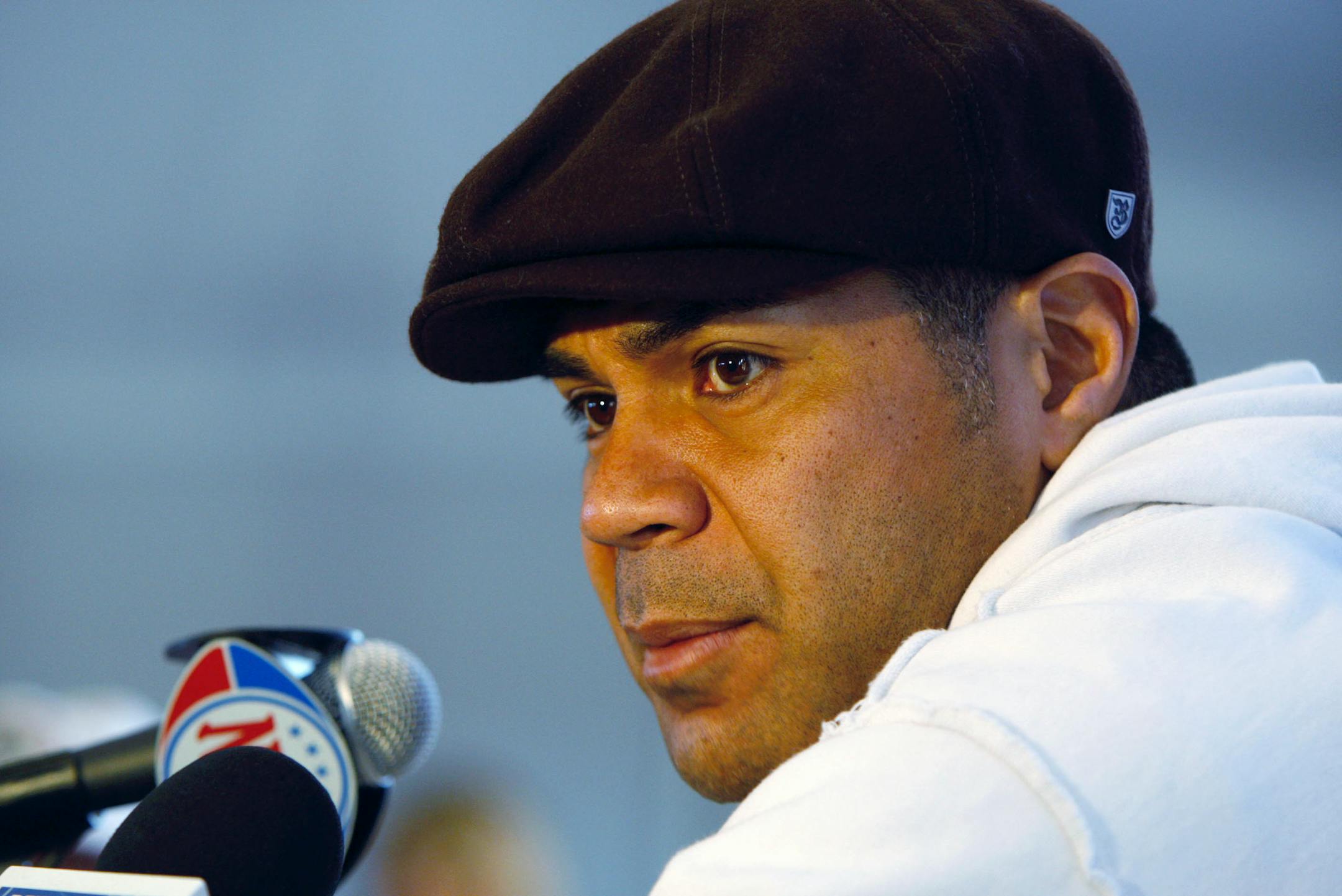
The 30 for 30 film "Seau" debuted last September and was on ESPN recently. It was on our DVR, and the breaks included promotions of ESPN's upcoming draft coverage, featuring specific players who will be taken early when the three-day selection process starts Thursday at the Schermerhorn Symphony Center in Nashville, Tenn.
This was a jarring visual from ESPN: Don't forget to help us celebrate the arrival of new fodder for the NFL's profit machine — and now back to the depressing tale of Junior Seau and how football-caused brain disease led him to die by suicide at age 43.
It is stunning to contrast the reaction we had when watching this magnificent linebacker in real time during his NFL career, and the reaction we have now in the midst of a documentary on how he came to shoot himself in the chest on May 2, 2012, in his hometown of Oceanside, Calif.
We would see this 6-3, 250-pound blur speeding across the TV screen and offer, "What a play, what a hit, what a player."
You see him making those tackles two decades later in a film, crashing his helmet into an opponent (and in a wince-producing moment, a teammate) and say, "Get your head up; don't do that, Junior, it's going to kill you."
My one chance to interview him in a small group came in the run-up to the 2008 Super Bowl, when Seau and the unbeaten Patriots would be upset by the New York Giants. There were also a few San Diego reporters at the table. The fondness they showed for Junior in that half-hour was astounding.
And four years later they were writing his obit.
The carnage from brain trauma for NFL players going back to the 1950s has been immense. And it seems as if linebackers have taken the worst of it. Just the great Vikings alone:


