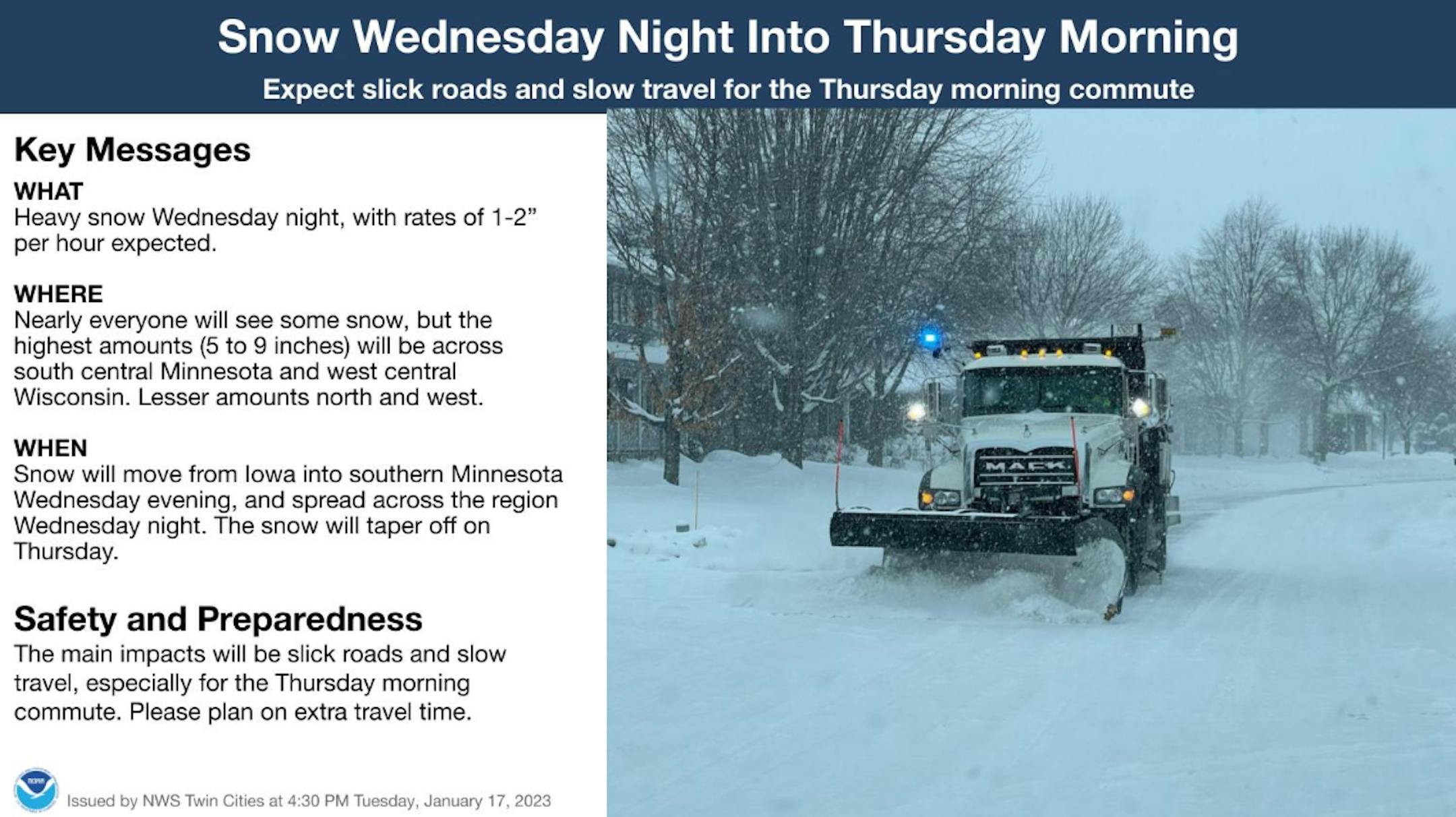
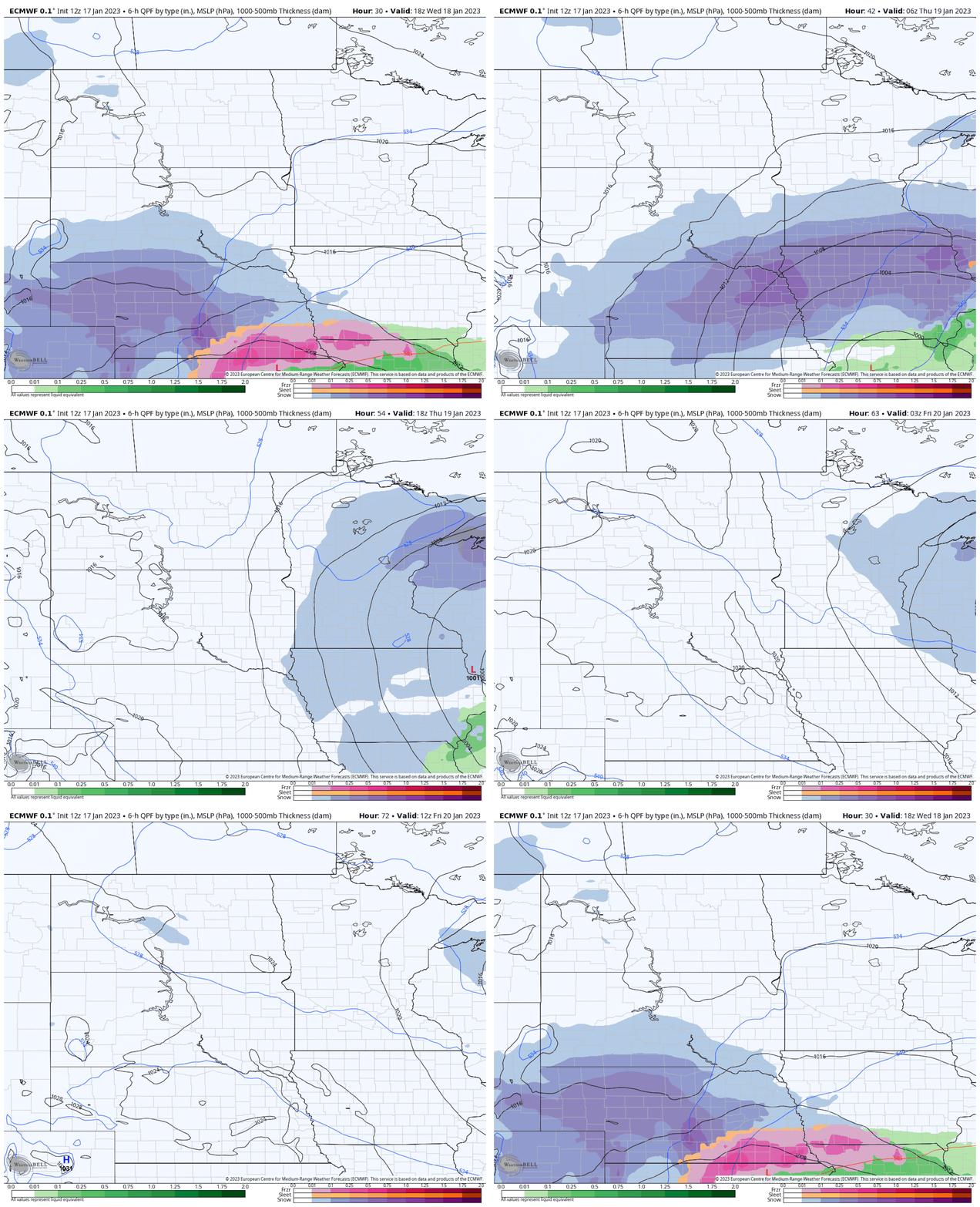
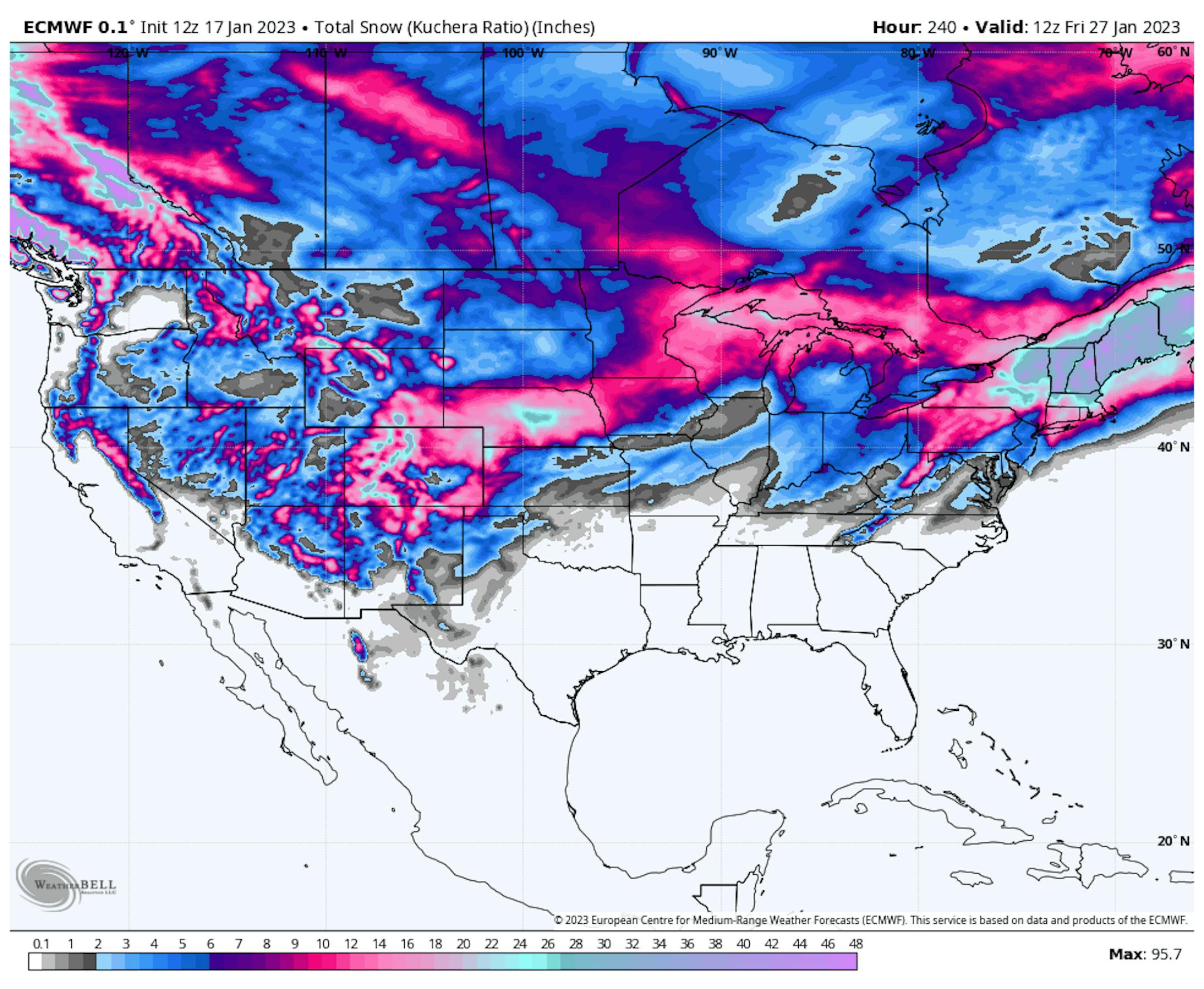
ECMWF Extended Snowfall Outlook (WeatherBell/The Minnesota Star Tribune)
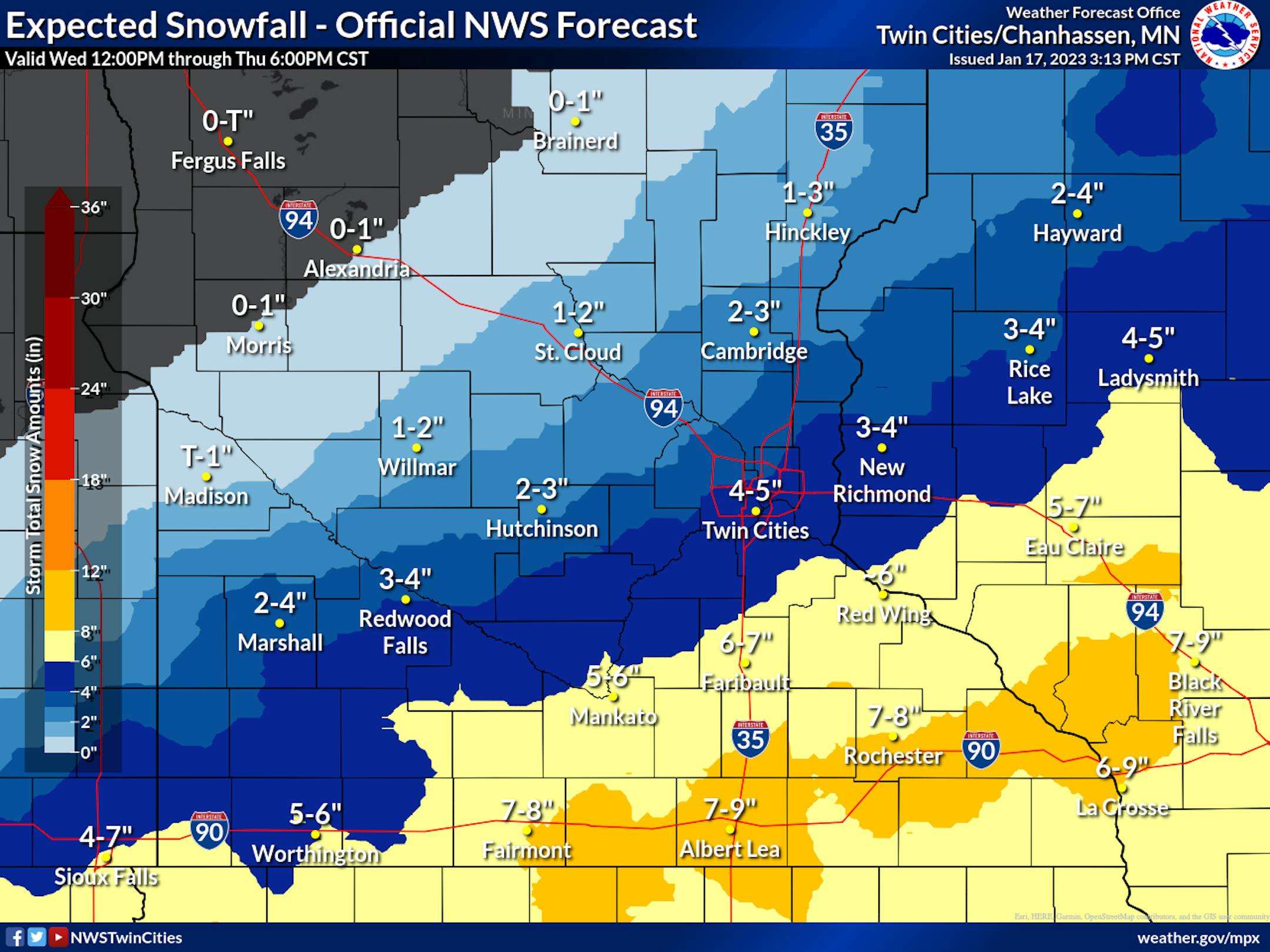
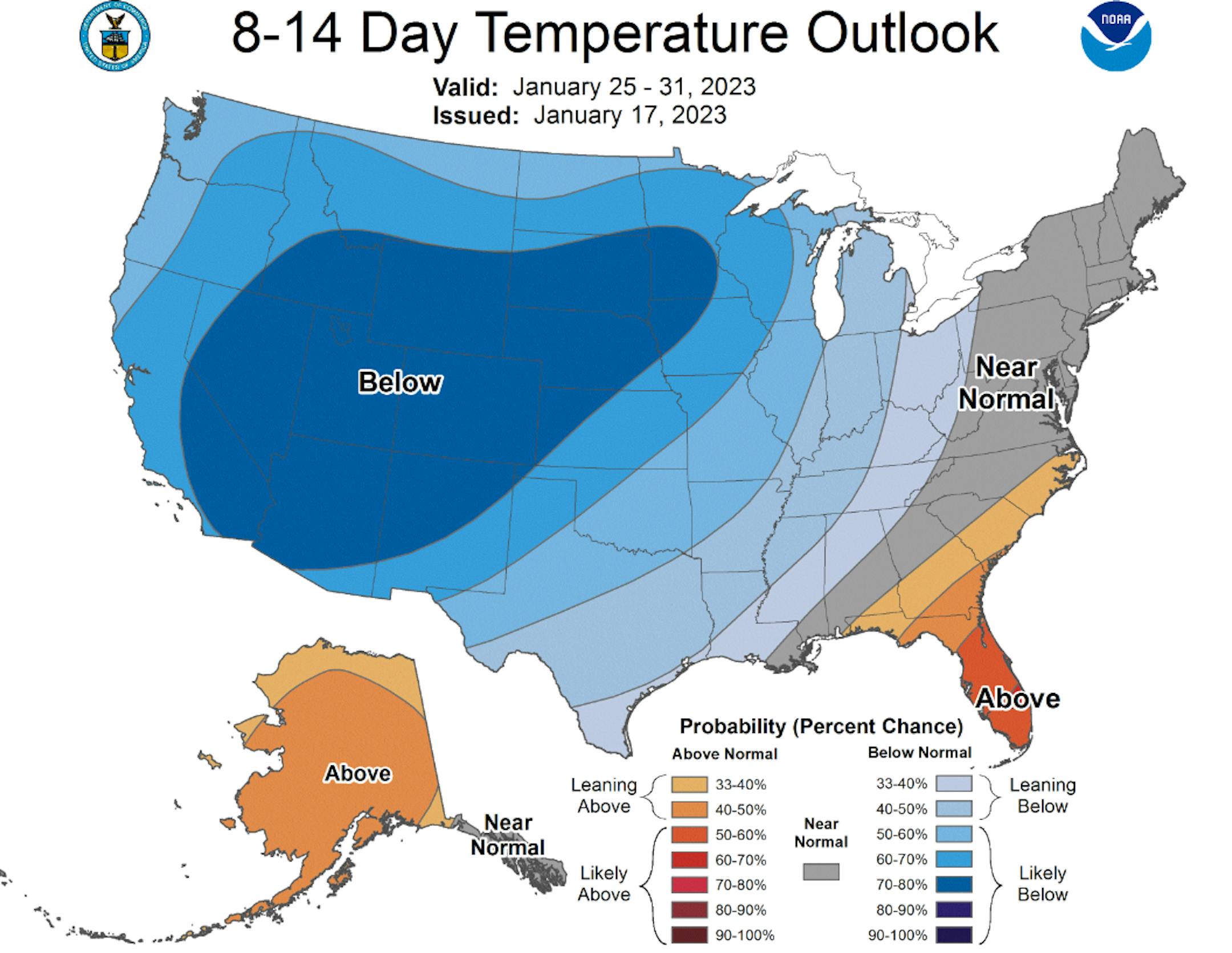
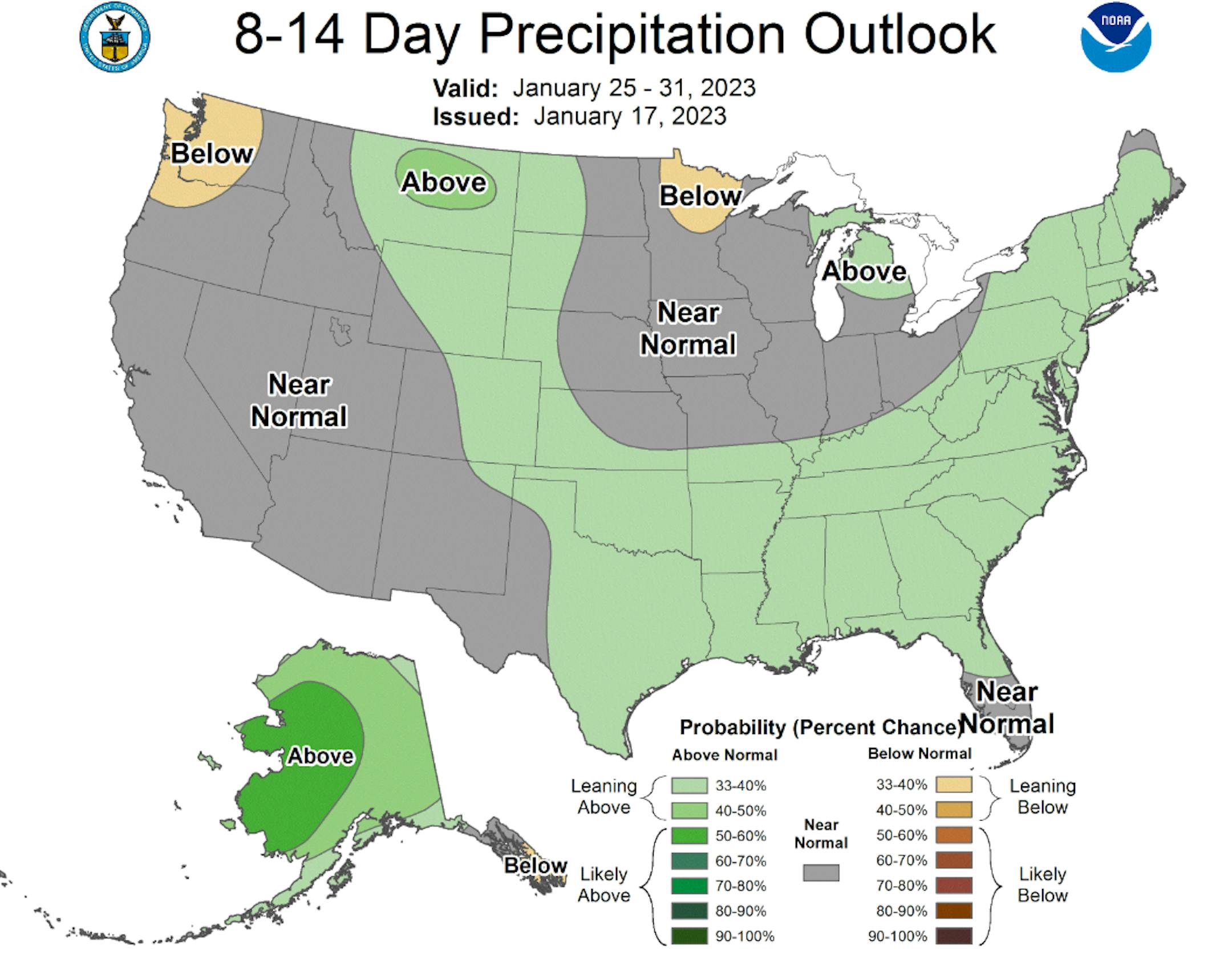
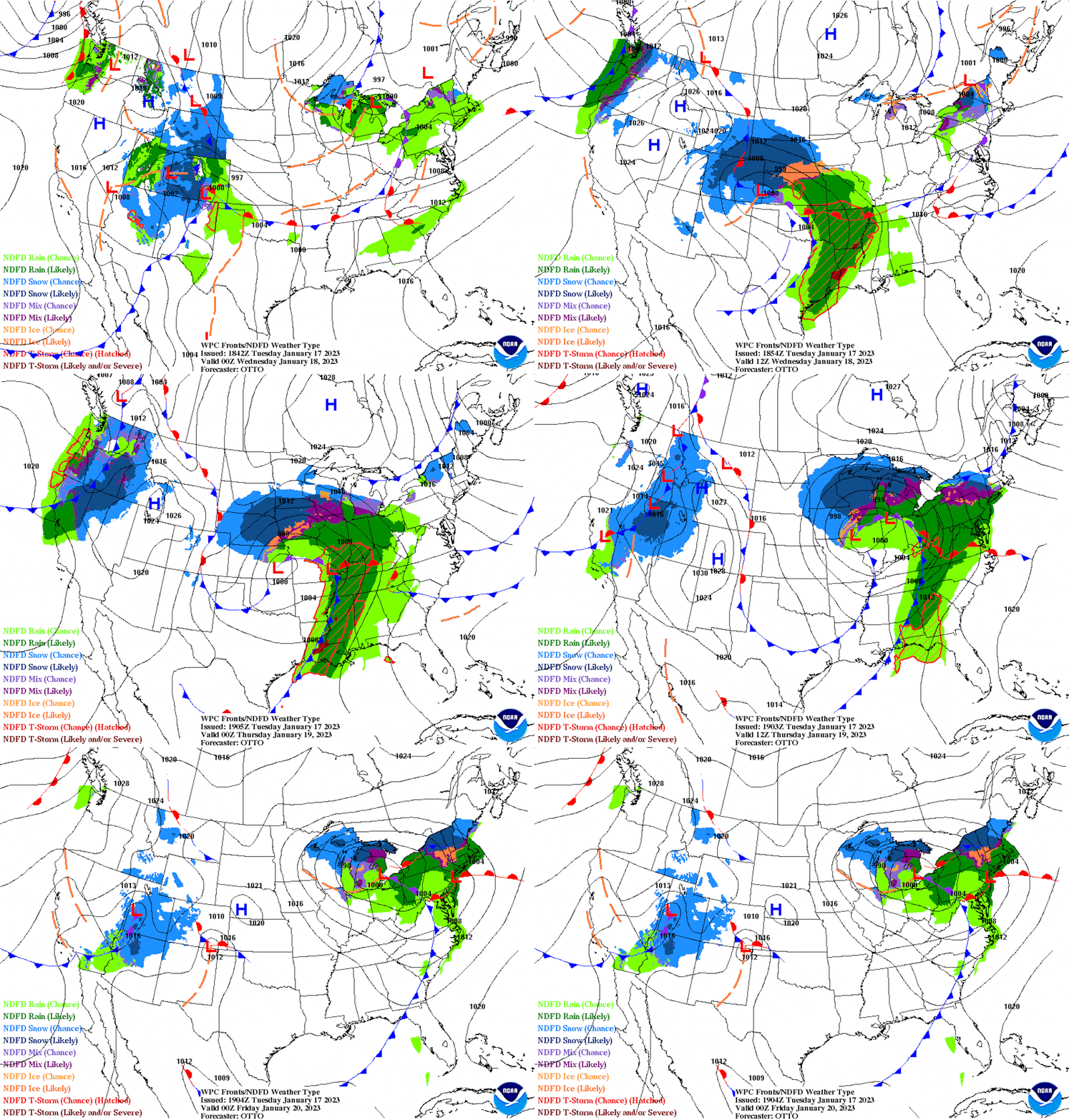
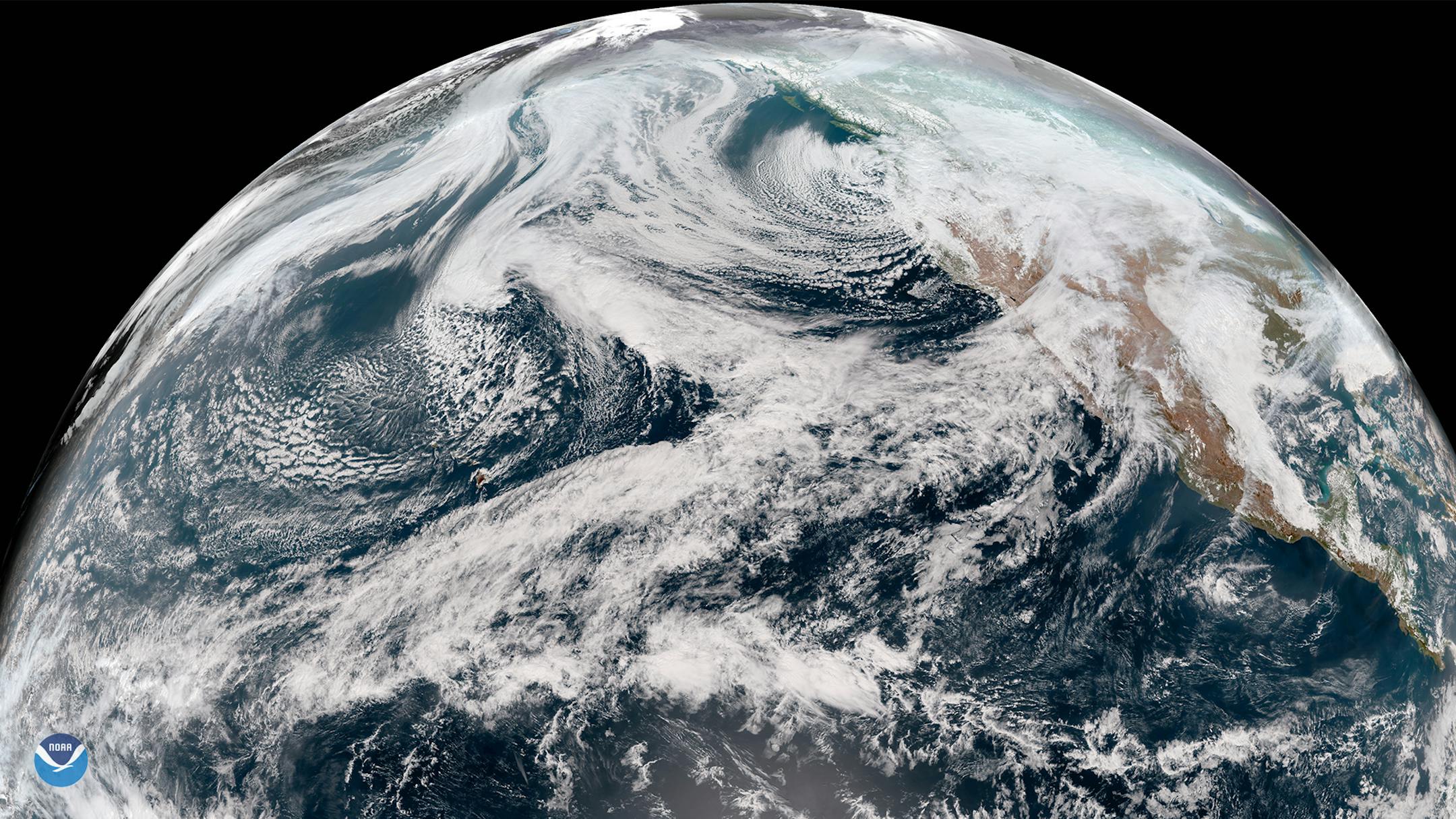
(NOAA/The Minnesota Star Tribune)
"Scientists in France have created a way to divert lightning strikes using a weather-controlling super laser. Researchers with the Polytechnic Institute of Paris guided the strikes from thunderclouds to places where they don't cause damage. The team says the new technique could save power stations, airports, launchpads, and other buildings from disaster. The system creates a virtual lightning rod, metal conductors that intercept flashes and guide their currents into the ground. "The findings extend the current understanding of laser physics in the atmosphere and may aid in the development of novel lightning protection strategies," says corresponding author Dr. Aurelien Houard, according to a statement from SWNS.The five-ton device is about the size of a large car and fires up to a thousand pulses per second. The scientists installed it near a telecommunications tower in the Swiss Alps – which is struck by lightning around 100 times a year."
"Early modelling suggests the world's climate could shift to an El Niño pattern towards the end of 2023, which is likely to increase the global average temperature A global shift to an El Niño climate pattern later this year could pave the way for the world to breach 1.5°C of warming for the first time in 2024, according to the UK Met Office.New modelling from the agency suggests the current three-year La Niña phase will end in March and this looks likely to be followed by an El Niño pattern later this year."
"California has seen so much rain over the past few weeks that farm fields are inundated and normally dry creeks and drainage ditches have become torrents of water racing toward the ocean. Yet, most of the state remains in drought. All that runoff in the middle of a drought begs the question — why can't more rainwater be collected and stored for the long, dry spring and summer when it's needed? As a hydrogeologist at the University of California at Santa Cruz, I'm interested in what can be done to collect runoff from storms like this on a large scale. There are two primary sources of large-scale water storage that could help make a dent in the drought: holding that water behind dams and putting it in the ground."