

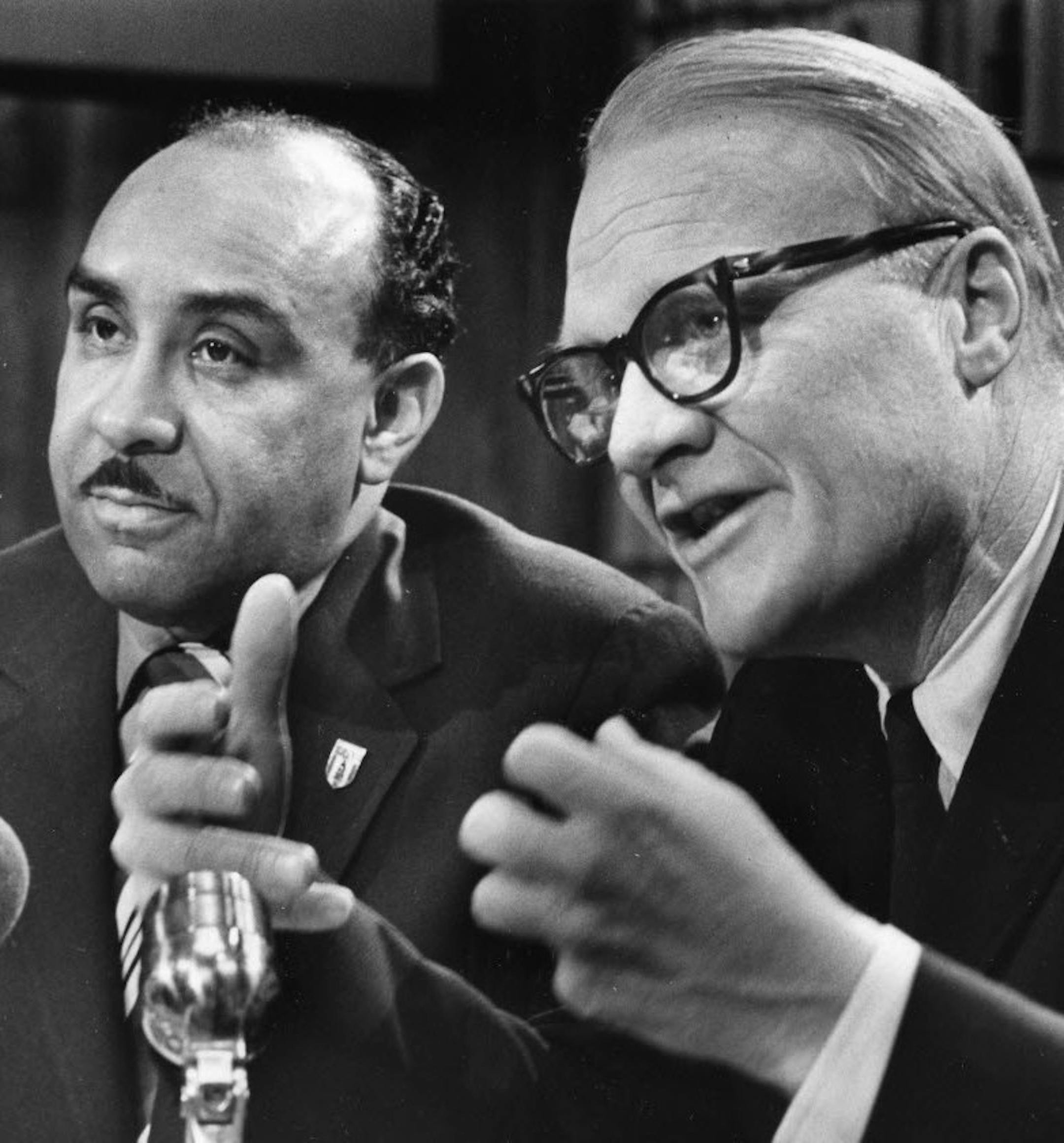
At age 50, Philip Harder left a 21-year career in banking to pursue something different. It wasn't unusual for him. A year earlier, Harder had been president of the Minneapolis Urban Coalition, which was founded in 1968 as a response to racial strife in Minneapolis. It brought together minority communities, nonprofits and the town's top corporate leadership in a collaborative effort that had not been seen before or since.
Harder who earned a reputation "as a man who would roll up his sleeves and dive into whatever work needed doing," died April 16 from complications of pneumonia. He was 92.
During his tenure at the Urban Coalition, his accomplishments belied the stereotype of the white-guy banker from Wayzata.
He pushed the Minneapolis police and fire departments into minority hiring drives. When two police officers were involved in the shooting of a 13-year-old boy, Harder and other members of the coalition investigated and came back with the determination that the cops should be disciplined. At the same time, he negotiated with community activists from the city's restive North Side. At the start of one meeting, Harder's son recalled being told, a handgun was put on the negotiating table and pointed in the direction of his father.
"That was part of the negotiating tactic that members of the community used because they were weary of business's involvement," said his oldest son, Phil Jr. "There was a great deal of turmoil, the city was in flames. Passions were really high. That just touched Dad in a unique way."
Harder embodied a unique spirit of corporate responsibility. He set up an office on the city's North Side after riots rocked the community. He oversaw task forces on minority businesses and housing discrimination that helped launch organizations that remain to this day.
"He learned a great deal and it affected how he felt and thought about those issues in a very positive way," said longtime community activist and former Minneapolis school board member T. Williams, who is working on an oral history looking at Minneapolis during the period when the Urban Coalition was operating.
"It had an impact on these corporations on their recruitment and hiring practices. Around that table, constantly, those issues were being elevated and the question was being raised, 'Take a look inside your own businesses,' " Williams said.


